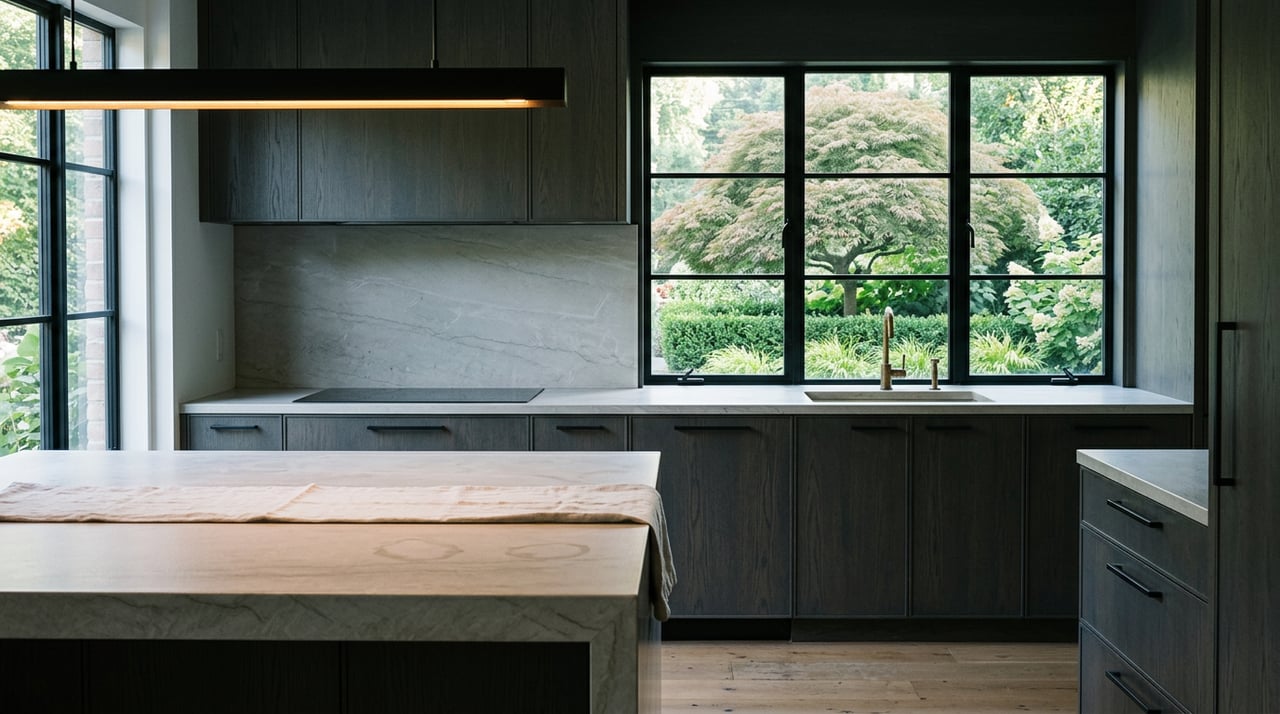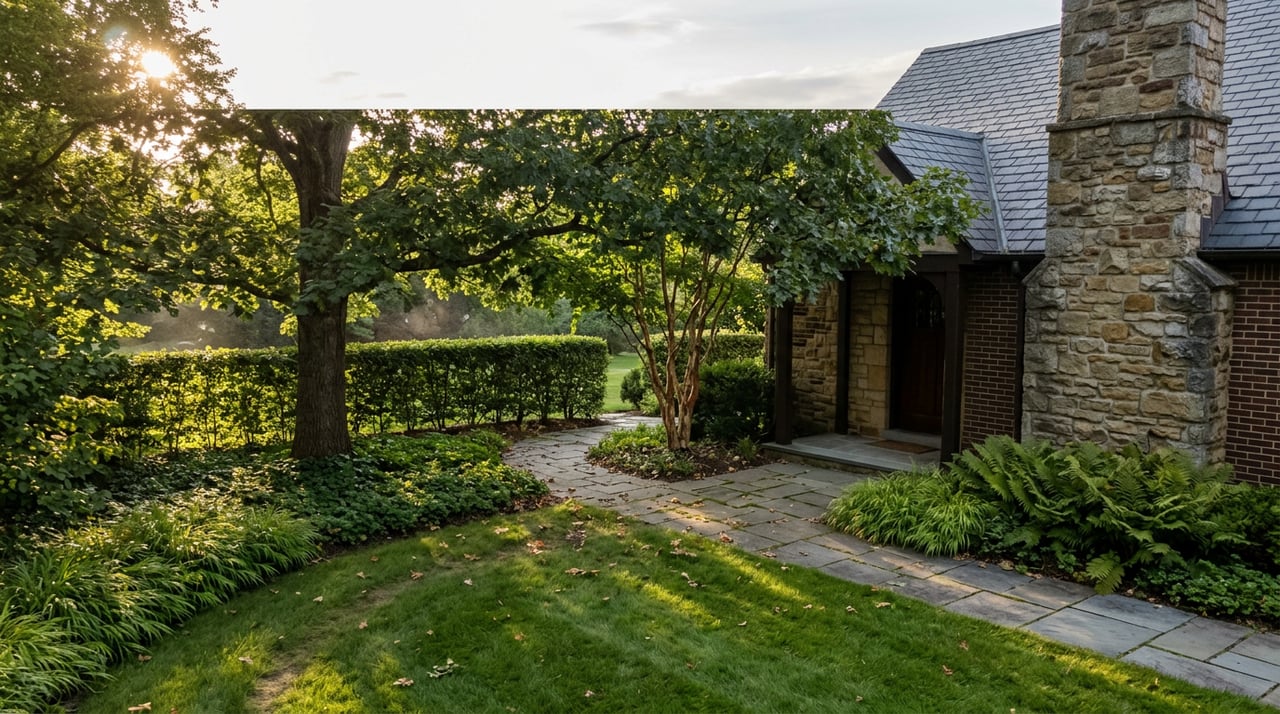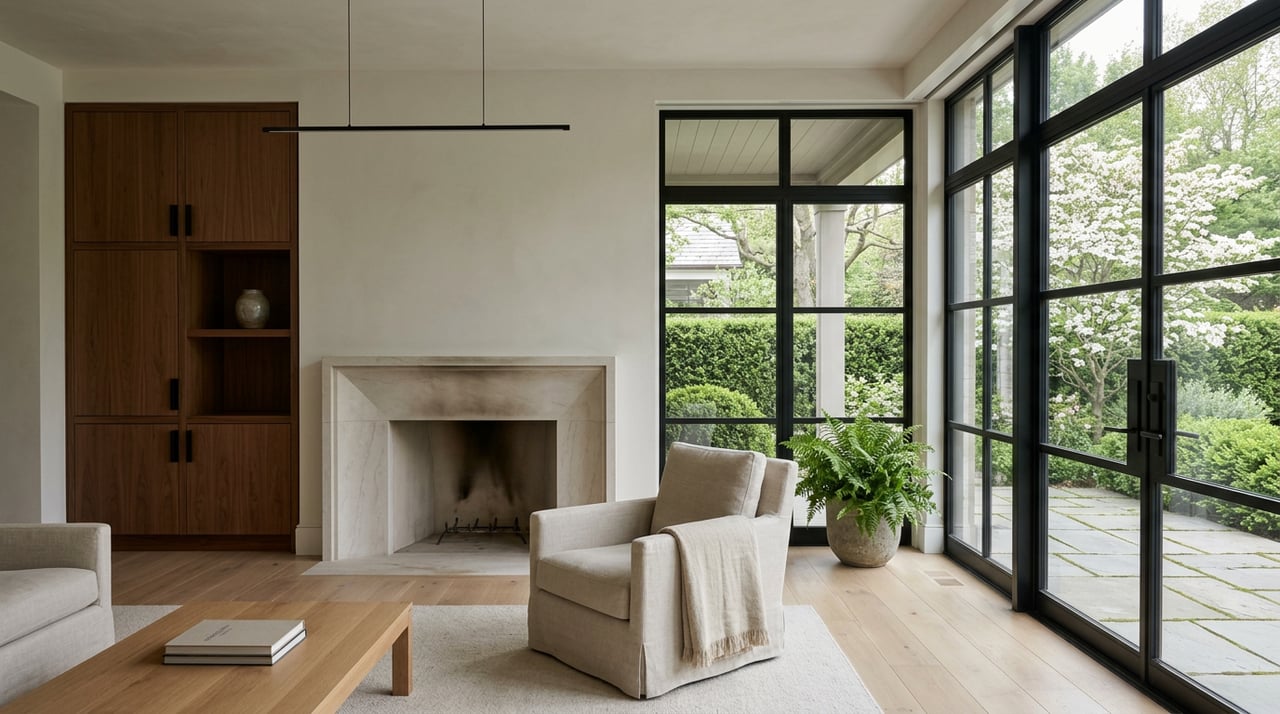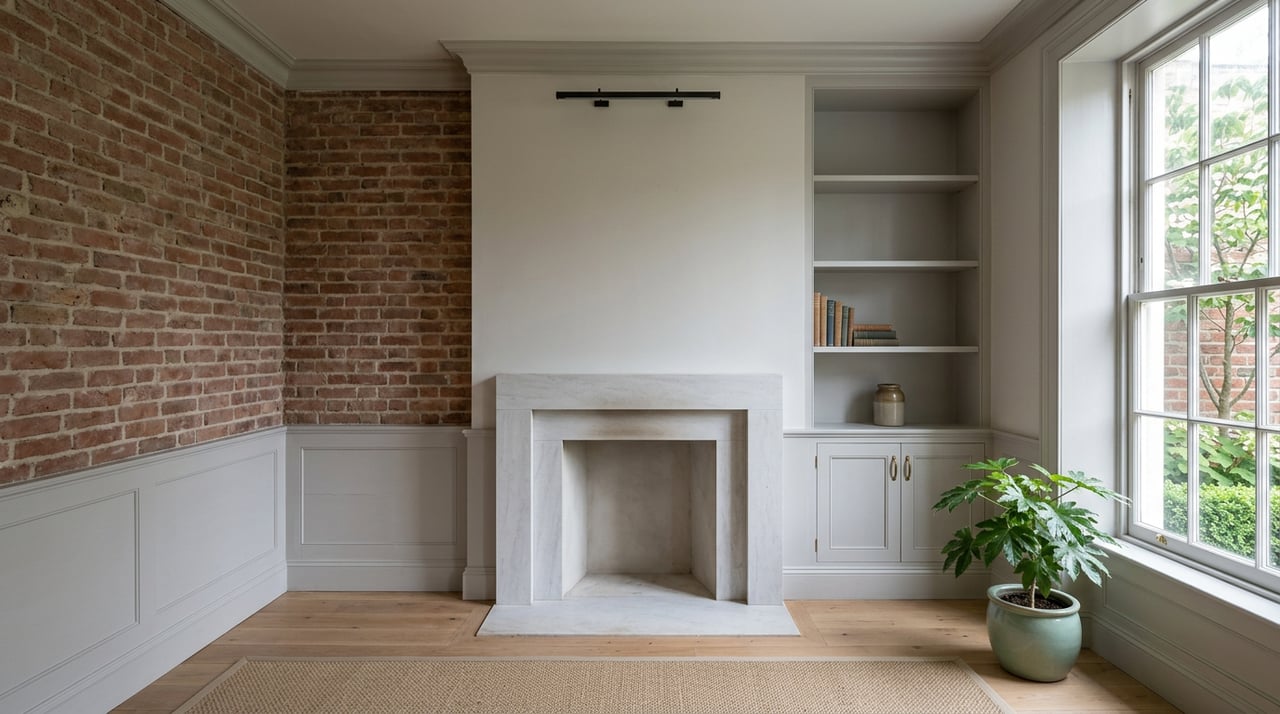
If you have ever wondered why Villanova continues to attract strong interest from luxury buyers, the answer goes far beyond beautiful streets and classic Main Line appeal. Villanova University creates a steady stream of connection, visibility, and long-term demand that influences how many buyers view this market. If you are buying, selling, or simply watching the area, understanding that relationship can help you make smarter real estate decisions. Let’s dive in.
Villanova University Is a Demand Anchor
Villanova University is not a small, seasonal presence. It sits on a 260-acre suburban campus on the Main Line, about 12 miles west of Center City Philadelphia, and includes 6,700 full-time undergraduates, 3,100 graduate and law students, and more than 2,700 faculty and staff.
That kind of footprint matters because it creates recurring activity throughout the year. The university also reports more than 340,000 annual visitors and about $28 million in annual student and visitor spending in Radnor Township. In practical terms, that means Villanova is tied to a flow of people, events, and spending that keeps the area consistently relevant.
Why Luxury Buyers Pay Attention
Luxury demand near Villanova is shaped less by student housing and more by lifestyle, convenience, and long-term connection to the university. For many buyers, proximity to campus can mean easier access to events, a shorter commute, and a deeper connection to the Main Line.
That demand often comes from people who value prestige and practical access at the same time. Villanova’s location, transportation options, and established reputation help support that appeal.
Access Adds Real Value
Villanova highlights easy access by car, commuter rail, trolley, bus, and three on-campus train stations, along with proximity to Philadelphia International Airport. For luxury buyers, that kind of mobility can be a major advantage.
If you are balancing work, travel, and family commitments, convenience matters. A home near Villanova can offer both a residential setting and efficient regional access, which is especially attractive for executives, relocators, and households with frequent visitors.
The Buyer Groups Driving Interest
The local luxury market is influenced by several demand channels connected to the university. Each one brings a slightly different motivation, but together they create a strong base of interest around Villanova.
Faculty and Staff Buyers
Villanova employs more than 2,700 faculty and staff, which gives the area a meaningful institutional base. Some of these households may look for homes that offer privacy, parking, and quick access to campus.
For buyers tied to the university professionally, location can be about both quality of life and daily ease. In a luxury market, that often points toward detached homes with room for guests, work-from-home setups, and comfortable outdoor space.
Executive Education and Visiting Professionals
Villanova School of Business offers executive education, custom corporate programs, and an Executive MBA. The university also notes that custom programs can be delivered onsite or at the Inn at Villanova.
That activity helps keep Villanova connected to corporate and executive audiences. For some buyers, especially those relocating or spending extended time in the region, a well-located luxury home can offer more flexibility and privacy than short-term accommodations.
Alumni and Visiting Families
Villanova’s Alumni Association hosts hundreds of in-person and virtual events each year, including Reunion and Homecoming. The university calendar also includes recurring traditions such as Commencement and Christmas at Villanova.
These events matter because they create repeat visits and lasting emotional ties. For some alumni and families, that ongoing connection can increase interest in owning a home near campus, whether as a primary residence, future relocation target, or flexible family-use property.
Student Housing Is Not the Main Story
It is easy to assume that a university market is driven by student rentals, but Villanova looks different. About 5,400 undergraduates live in 31 on-campus residence halls, and first-year residents are guaranteed three consecutive years of on-campus housing.
The university also says on-campus housing will extend to the Cabrini Campus beginning in Fall 2026. While some fourth-year students may still look off campus, the larger point is clear: Villanova’s nearby luxury market is not primarily powered by a broad student-rental cycle.
What That Means for Luxury Homes
For luxury sellers and buyers, this is an important distinction. The market near Villanova is better understood as an owner-occupied, high-value residential market with institutional support, not a condo-heavy or investor-dominated student district.
That dynamic tends to support homes that appeal to primary residents, relocating professionals, alumni households, and families who want long-term use and flexibility. It also helps explain why detached homes are such a central part of the local housing mix.
Villanova’s Housing Stock Supports Premium Pricing
Villanova is a small and highly owner-occupied market. The Census Bureau estimates 1,003 housing units, a 100.0% owner-occupied housing rate, and a median owner-occupied home value of $946,400.
The area also reflects significant household resources, with median household income above $250,000 and 84.2% of adults holding a bachelor’s degree or higher. For luxury real estate, those figures reinforce Villanova’s status as a market defined by ownership, stability, and high purchasing power.
Detached Homes Dominate
Census Reporter shows the housing stock is 100% single-unit. That points to a market centered on detached homes rather than a large supply of condos or multifamily properties.
Recent snapshots support that pattern. Redfin’s recently sold snapshot showed 0 condos, 1 townhouse, and 0 multifamily units in its mix, which aligns with the idea that detached homes remain the core product in Villanova.
Current Market Signals in Villanova
Recent data points to a premium market with limited inventory. Redfin reported a median sale price of $1.3 million and 21 median days on market, with 6 homes sold in May 2026.
Zillow showed an average home value of $1.595 million and 19 homes for sale as of June 30, 2026. Realtor.com reported 21 homes for sale, 2 homes for rent, a median listing price of $2.15 million, and 27 median days on market in June 2026.
Why the Numbers Vary
These figures do not measure the same thing, so they should be read directionally. Redfin focuses on recent sales, Zillow uses a home-value index, and Realtor.com emphasizes active listings and proprietary market modeling.
Still, the broader pattern is consistent. Villanova remains a high-end market with relatively thin inventory, quick movement for well-positioned homes, and pricing that reflects strong buyer interest.
Features That Match University-Linked Demand
Not every luxury home near Villanova will appeal in the same way. The homes most likely to align with university-related demand tend to share a few practical advantages.
Common fit factors include:
- Easy access to campus
- Convenient access to regional rail and major roads
- Detached home design
- Private outdoor space
- Ample parking
- Guest accommodations
- Flexible layouts for work, visits, or multigenerational use
These features match the needs of buyers who want comfort, convenience, and versatility. In a market like Villanova, that combination can strengthen both day-to-day livability and long-term resale appeal.
Timing Matters More Than Many Sellers Think
Villanova’s calendar creates natural moments when the area receives added attention. Reunion takes place in June, Homecoming lands in late October, and the academic calendar brings movement around late August, mid-May, and other seasonal campus events.
That does not mean every listing should be timed around the university. It does mean sellers should recognize that visiting families, alumni, and other campus-connected audiences may be especially engaged during key periods.
Seasonal Windows to Watch
The busiest points tied to the university are most likely to include:
- Late summer move-in season
- Early fall academic and event activity
- Late spring around Commencement
- Early summer around Reunion
- Late October around Homecoming
For luxury properties, these periods may create helpful visibility. More people in the area can translate to more awareness, more private showing opportunities, and stronger interest from buyers who already have a connection to Villanova.
What Sellers Should Take Away
If you are selling a luxury home in Villanova, the university can be part of the market story without becoming the whole story. Buyers are not simply purchasing proximity to a campus. They are often buying into access, continuity, and a location with strong long-term relevance.
That means your home’s presentation should highlight both lifestyle and practicality. Features like privacy, guest space, architectural presence, and transportation convenience can resonate strongly in this market.
What Buyers Should Take Away
If you are considering a luxury purchase near Villanova, it helps to view the university as a stabilizing force in the local market. Its large population, year-round events, transportation access, and alumni network all contribute to ongoing visibility and demand.
For you, that may support confidence in the area’s long-term appeal. Whether you want a primary residence, a relocation home, or a property that keeps you close to campus and the Main Line, Villanova offers a market shaped by more than just aesthetics.
Villanova luxury real estate is tied to a rare mix of prestige, access, and institutional presence. If you want expert guidance on buying or selling in this market, connect with Societe Plus Serhant for a discreet, data-informed approach tailored to Main Line luxury.
FAQs
How does Villanova University affect luxury home demand in Villanova?
- Villanova University supports luxury demand through its large year-round presence, faculty and staff base, alumni activity, visiting families, executive education programs, and steady flow of annual visitors.
Is Villanova luxury real estate driven by student rentals?
- No. Because many undergraduates live on campus and early undergraduate housing is widely supported by the university, the local luxury market is influenced more by owner-occupants, alumni, faculty, staff, and professionals.
What types of homes are most common in Villanova?
- Villanova’s housing stock is overwhelmingly made up of single-unit homes, which points to a detached-home market rather than a condo-heavy or multifamily-heavy market.
When is the best time to watch the Villanova market?
- Periods tied to the university calendar, such as late summer, late spring, Reunion in June, and Homecoming in late October, can bring added attention to the area.
Why do Villanova home price numbers differ across websites?
- Different platforms track different metrics. Some focus on closed sales, some use home-value models, and others reflect active listings, so the numbers are best used as directional market signals rather than exact comparisons.