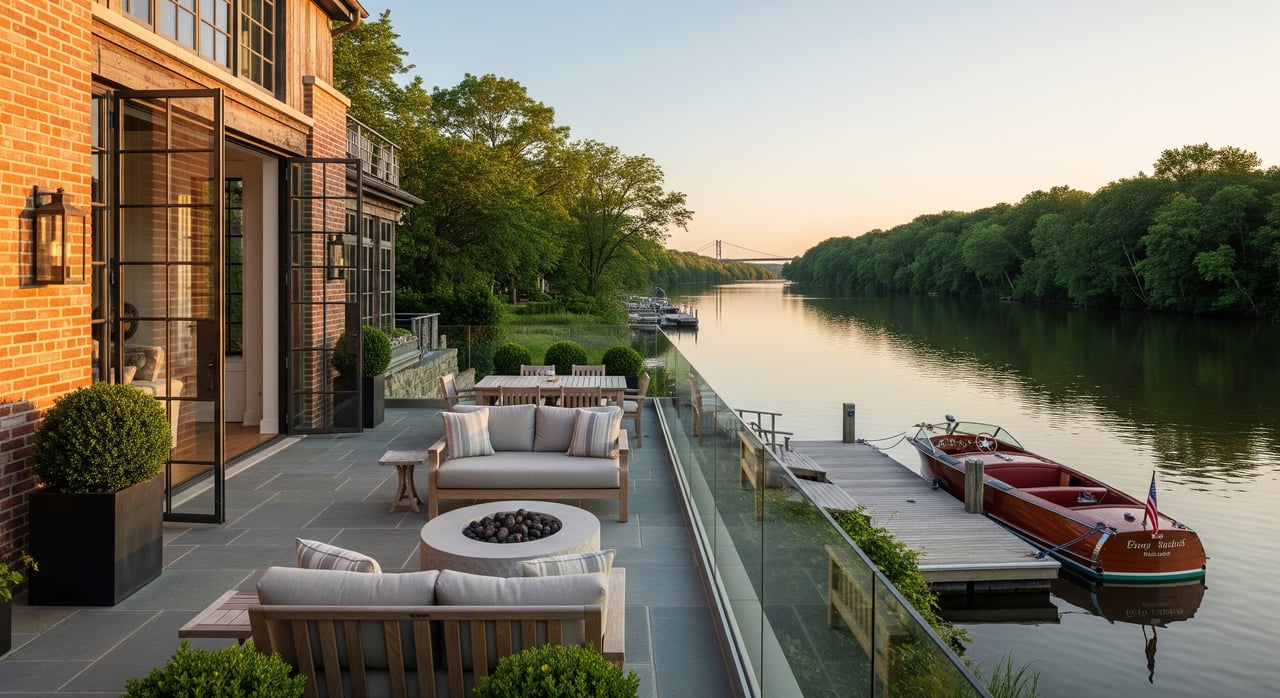
You want a town where your morning starts on a riverside towpath and your evening ends with a standing ovation. In New Hope, that rhythm feels effortless. Whether you are considering a weekend base or a full‑time move, the borough blends art, nature, and refined hospitality in a way that stands out along the Delaware River. This guide shows you what life looks like day to day, how the real estate market works, and what to know about owning along the water. Let’s dive in.
What makes New Hope unique
New Hope is a small, historic borough on the Pennsylvania side of the Delaware River, directly across from Lambertville, NJ. The compact village, river views, and walkable core create a tightly connected, bi‑state experience. According to the U.S. Census QuickFacts for New Hope, the borough counts roughly 2,500 residents, which helps explain its intimate scale and village feel.
The borough sits within a larger regional market. Many larger estates, farm properties, and equestrian homes are in surrounding townships rather than inside the compact core. Local governance, permitting, and historic oversight run through New Hope Borough, while neighboring municipalities have their own rules. If you love a village address but need extra privacy or acreage, you will likely look both inside the borough and in nearby countryside areas.
A day in the refined riverfront lifestyle
Morning on the towpath
Start with a quiet walk or bike ride along the Delaware Canal State Park towpath. You get level, scenic miles beside the river, ideal for cycling, jogging, or a meditative stroll. Kayaking, canoeing, and fly fishing round out warm‑weather routines, and scenic drives into the Bucks County countryside are minutes away.
For a change of pace, the heritage New Hope & Ivyland Railroad offers a classic rail experience. It is a favorite for guests and a charming way to show off the area’s landscape. The train is tourist‑oriented rather than commuter rail, but it adds to the town’s sense of history and place.
Midday boutiques and galleries
New Hope’s compact streets are lined with art galleries, interior design studios, antiques, and specialty retailers. The cross‑river pairing with Lambertville broadens your shopping day without ever losing the small‑town feel. If you are furnishing a weekend home or curating art for an estate, you can spend hours here and still have more to explore next time.
Evenings that feel like an event
Dining leans seasonal and local, with outdoor patios overlooking the Delaware when the weather cooperates. Historic inns, chef‑driven spots, and cozy cafés make it easy to plan around views and ambiance. The atmosphere is elevated yet relaxed, which is exactly why many buyers consider New Hope for a refined second home.
Arts and culture that elevate your week
The town’s cultural footprint is bigger than its size. The Bucks County Playhouse anchors a year‑round calendar of theater and performance. Galleries host openings, small festivals pop up through the seasons, and live music keeps weekends vibrant.
If you want a quick view of what is happening now, check the regional listings from Visit Bucks County. The lineup shifts by season, but the throughline is constant. There is almost always something on the calendar, whether you prefer quiet gallery browsing or a show after dinner.
Real estate at a glance
Property types and settings
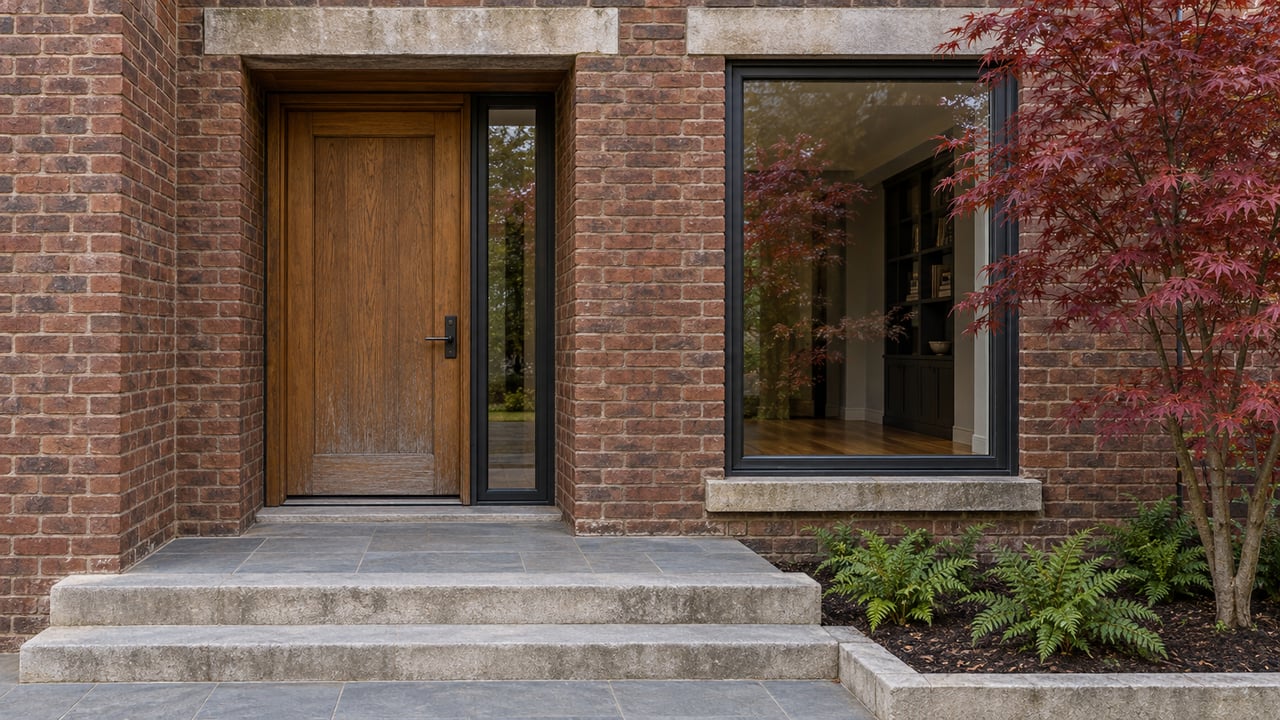
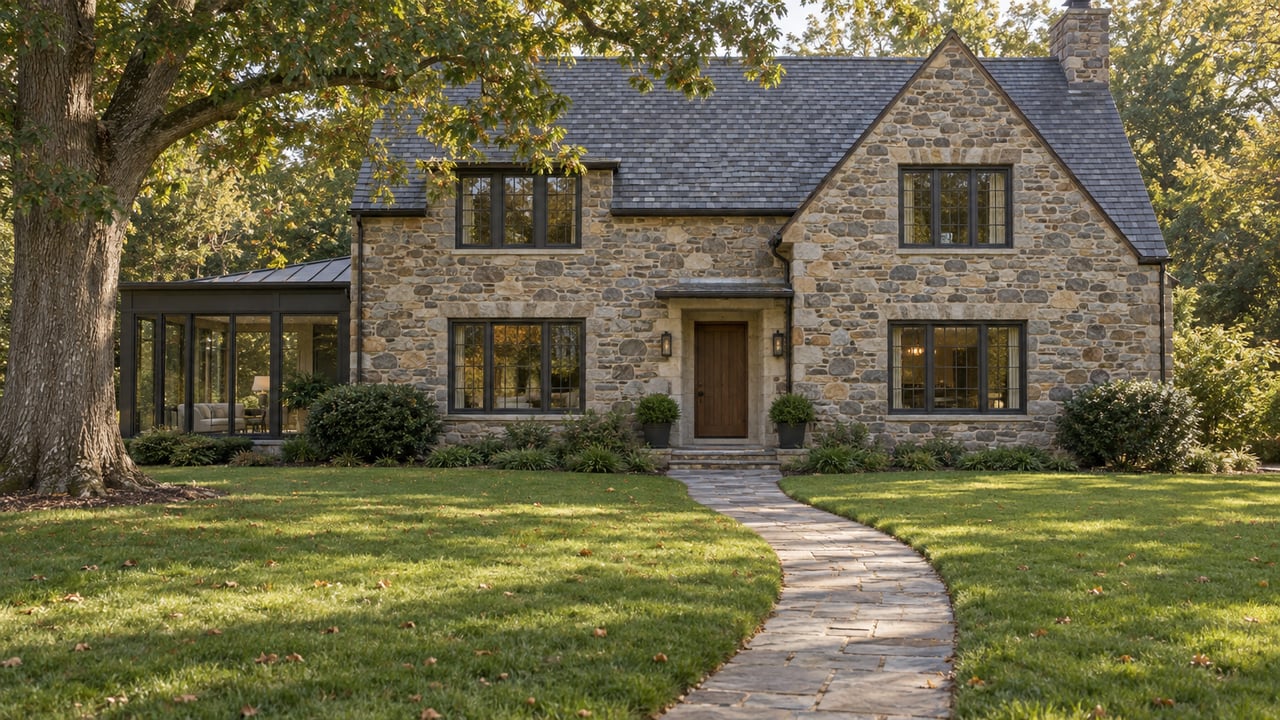
Inside the borough, you will find compact historic homes, renovated townhouses, and condos set along walkable streets. Along the river, properties range from cottages and townhomes near River Road to larger riverfront parcels in adjacent townships. In the nearby countryside, acreage allows for estate, farm, and equestrian properties that deliver privacy within a short drive of town.
Pricing and inventory dynamics
New Hope commands a premium relative to broader Bucks County because of scarcity, historic value, and the lifestyle dividend. Turnkey riverfront and fully renovated historic homes are limited, and the best listings can move quickly. For current medians, days on market, and neighborhood‑level trends, review live data through Bright MLS, and pair that with on‑the‑ground insight before you write an offer.
Historic character and renovation
Portions of the area include historic districts and individually listed properties. Exterior alterations and significant renovations may trigger review or guidelines. If you are planning a modernization, consult the borough’s permitting pages and cross‑reference potential designations through the National Register of Historic Places to understand scope, timeline, and approvals.
Riverfront realities: flood, insurance, and resilience
Living close to the water is part of the appeal, and it comes with specific due diligence. Many river‑adjacent parcels are near FEMA flood zones, which can influence insurance, financing, and construction.
Here is a practical checklist to use early:
- Review parcel location on the FEMA Flood Map Service Center. Note the zone and whether an elevation certificate exists or is required.
- Request quotes for National Flood Insurance Program coverage or private alternatives. Premiums vary by structure, zone, and elevation.
- Consider resiliency upgrades like elevating utilities and using flood‑resistant materials in lower levels.
- Model total carrying costs. Include real estate taxes, flood insurance if required, utilities scaled to the home’s size, and maintenance for historic structures or acreage.
Everyday living and services
Schools and day‑to‑day convenience
For full‑time buyers, the local public system is the New Hope‑Solebury School District. Within the borough and nearby, you will also find grocery, pharmacy, banks, and basic healthcare providers. For specialized medical care or broader shopping, plan short drives to hubs like Doylestown, Princeton, or Philadelphia.
Short‑term rental considerations
New Hope’s popularity with visitors means local short‑term rental rules can be specific. Before buying with rental plans, verify borough ordinances and any HOA regulations. Start with permitting and zoning resources from New Hope Borough and confirm details during attorney and inspection periods.
Getting here from Philly and NYC
Driving and local mobility
New Hope is a comfortable drive from Philadelphia, and many NYC buyers view the trip as a reasonable 90 to 120 minutes depending on route and traffic. River Road and connecting routes to US‑1 and I‑295 or I‑95 handle regional travel. Once you arrive, the borough is highly walkable, which is ideal for dinner, theater, and errands. Expect parking pressure on peak weekends and during major events.
Rail and air access
There is no direct commuter rail from New Hope into Philadelphia. Most commuters drive to regional rail stations or rely on private car service. The New Hope & Ivyland Railroad is a heritage experience rather than a daily transit option, and Philadelphia International Airport serves as the primary large airport for national and international travel.
Who thrives here
New Hope appeals to a mix of luxury weekenders from Philadelphia and New York, sophisticated retirees seeking culture and nature, and buyers who want historic character with modern finishes. You might prioritize river views and walkability, or you might prefer a discreet estate just outside town with quick access to galleries and dining. Either way, the lifestyle is the draw, and the market rewards preparation and local expertise.
If you are weighing options, an experienced team can help you compare borough living with surrounding townships, pressure‑test commute times, and scope carrying costs across different property types. The goal is to align your lifestyle vision with a property that performs well over time.
Ready to explore New Hope’s refined riverfront lifestyle with a private, concierge approach? Connect with Societe Plus Serhant to start a tailored search, preview quietly available listings, and position your offer with confidence.
FAQs
Is New Hope better for full‑time living or weekend use?
- It supports both, with local dining and services for daily needs and a year‑round arts and events calendar that makes it a premier weekend destination.
Do riverfront homes in New Hope face flood risk?
- Flood risk varies by parcel, so review zones on the FEMA Flood Map Service Center, obtain elevation data, and price flood insurance before you commit.
What property types can I expect in and around New Hope?
- Inside the borough you will see historic homes, townhouses, and condos, while larger riverfront estates and countryside acreage are more common in surrounding townships.
How does commuting to Philadelphia or New York work from New Hope?
- Most owners drive to highways or regional rail hubs; there is no direct commuter rail from New Hope, and travel times vary with traffic and chosen route.
What should I know before renovating a historic home in New Hope?
- Historic districts and listed properties may have exterior review or guidelines, so consult borough permitting and check the National Register of Historic Places before planning.
Are short‑term rentals allowed in New Hope?
- Rules are local and changeable, so verify zoning, permitting, and any HOA restrictions with New Hope Borough before relying on STR income.