Thinking about trading Manhattan intensity for a smoother pace while keeping world-class dining and quick rail access to New York? You are not alone. Many NYC executives look to Philadelphia for more space, lower housing costs, and strong culture without losing the ability to get to Penn Station fast. In this guide, you will match your Manhattan lifestyle to three standout Philadelphia options and learn what to expect on housing, commute times, daily life, and practical costs. Let’s dive in.
How to choose your Philly base
Start with two questions: How often will you travel to NYC, and what kind of neighborhood energy do you want day to day? If your routine leans urban and you plan frequent NYC trips, Center City is simplest. If you want historic charm with quieter streets, consider Society Hill. If you want space, yards, and a private club ecosystem, look to the Main Line.
Neighborhood matches at a glance
Rittenhouse Square
If you love Park Avenue, the Upper West Side, or Gramercy, Rittenhouse will feel familiar. It is a highly walkable pocket centered on a landmark park with luxury condos, boutique buildings, and elegant townhouses. You are steps from top restaurants, cafes, and the Avenue of the Arts.
- Who it fits: Executives who want upscale urban living, short ride-hail trips to meetings, and easy access to cultural venues.
- Housing snapshot: One-bedroom condos commonly around $400k to $700k. Two to three bedrooms often range $700k to $1.5M. Penthouses and full townhouses can be $1.5M to $5M plus. Many buildings include doorman service and secure or valet parking with HOA fees.
- Commute strength: Fastest rail access to NYC via 30th Street Station. Street parking is limited, so many residents lean on building garages or car services.
- Lifestyle notes: Dense dining and nightlife, galleries, and performing arts within a short walk.
Society Hill
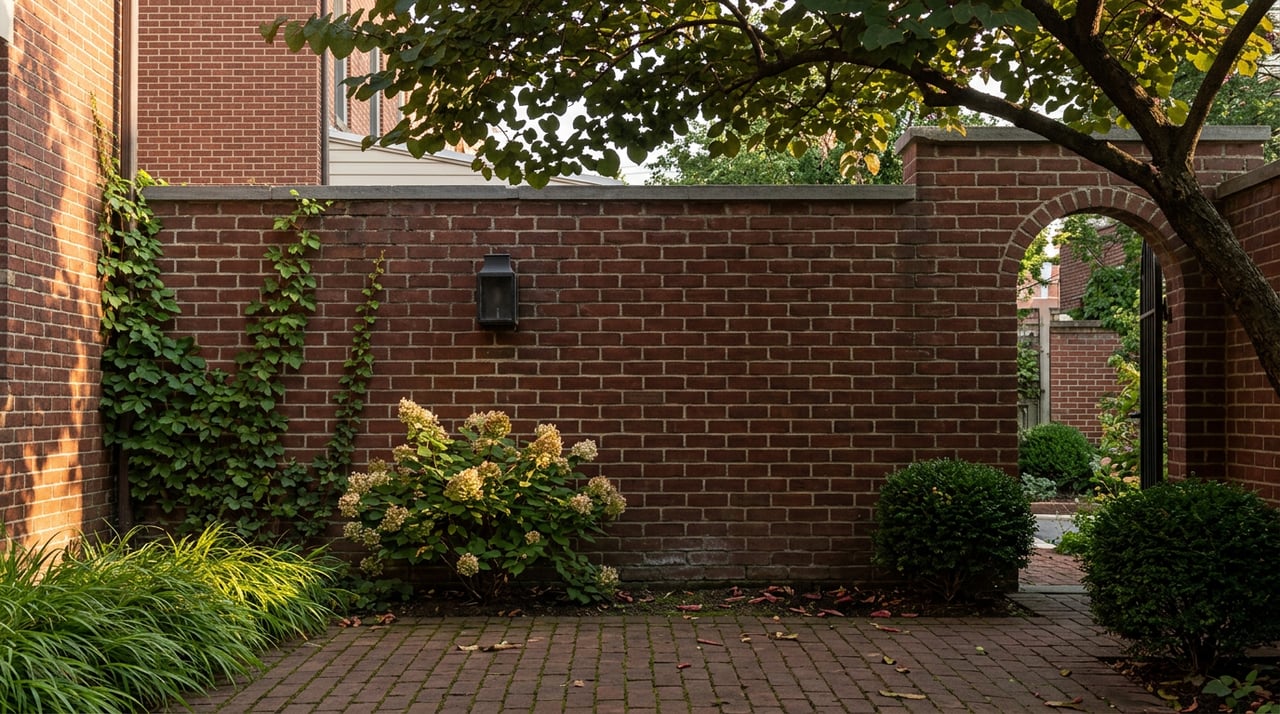
If you are drawn to historic blocks and intimate streets, Society Hill pairs 18th-century brick rowhomes and cobblestone charm with proximity to Old City and the waterfront. It is quieter than Rittenhouse yet remains central.
- Who it fits: Buyers who want character-rich architecture, boutique restaurants, and a residential feel near museums and downtown offices.
- Housing snapshot: Smaller rowhomes and condos often list around $500k to $900k. Larger renovated townhomes typically range $900k to $1.8M, with exceptional properties above that. Many homes sit in historic districts where exterior changes need approvals.
- Commute strength: Quick access to Center City and a short ride to 30th Street Station for New York trips.
- Lifestyle notes: Old City adds galleries and chef-driven spots, plus Independence National Historical Park and riverfront programming.
Main Line: Villanova and Haverford
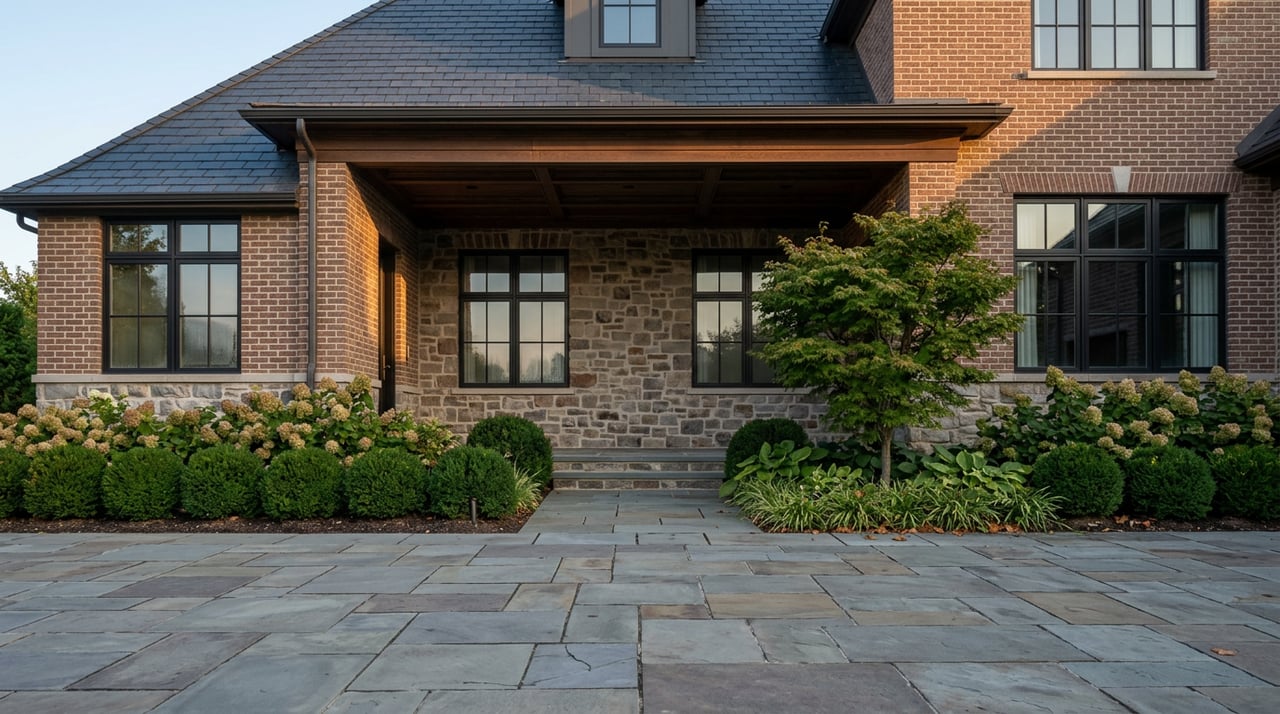
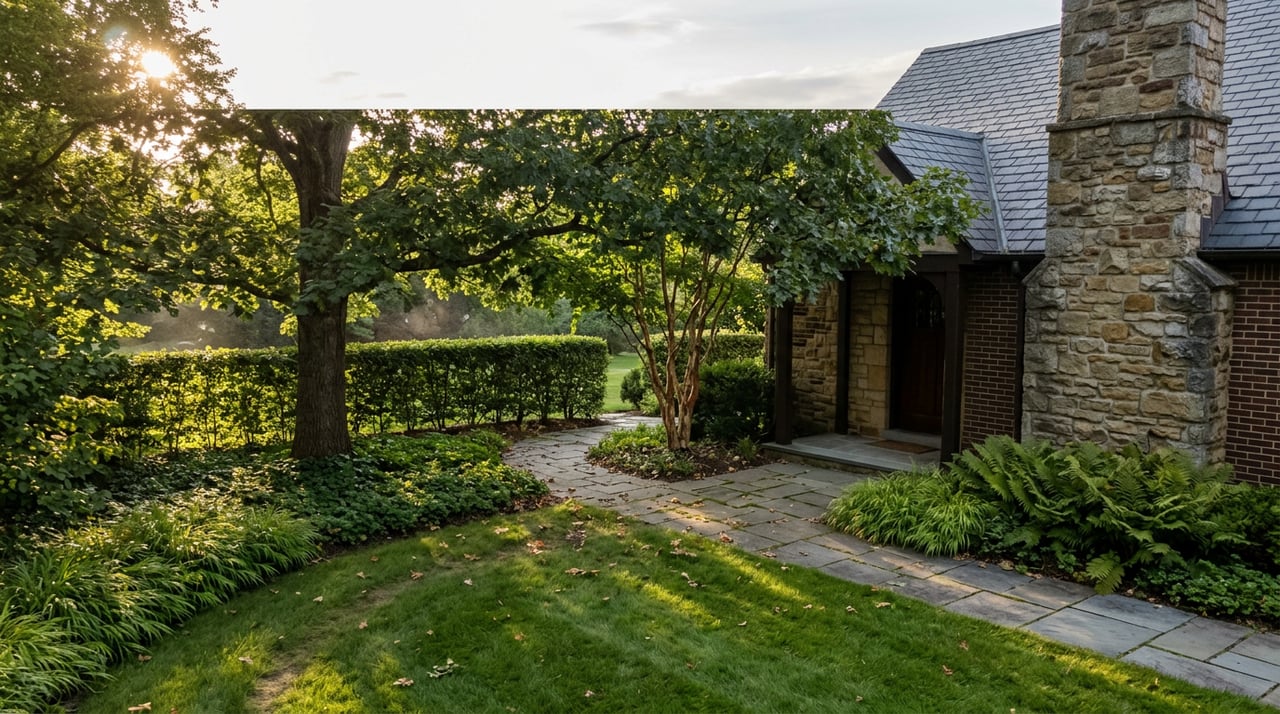
If you prioritize space, privacy, and a club-oriented social life, the Main Line delivers. Think tree-lined streets, detached homes, and larger lots, with village centers and university-driven culture from Villanova University and Haverford College.
- Who it fits: Executives seeking single-family living, private garages, and a quieter, car-friendly routine. Ideal for hybrid NYC commuters and those who work in Philadelphia or remotely.
- Housing snapshot: Smaller single-family or renovated older homes often list around $600k to $900k. Larger homes on bigger lots typically range $900k to $1.6M. Estates and historic mansions can reach $1.6M to $4M plus.
- Commute strength: Direct NYC travel is very doable with an Amtrak leg, though you will add time getting to a major station. Day-to-day errands are simple by car, and regional rail links to Center City.
- Lifestyle notes: Country and golf clubs are a core social hub. Villanova and Haverford campuses add lectures, theater, and small concerts.
Commute playbook to NYC
You can tailor routing to your schedule, budget, and tolerance for transfers. Always check current timetables when planning.
From Center City
- Amtrak Acela: About 1 hour 5 minutes to 1 hour 20 minutes from 30th Street Station to Penn Station. Premium fares and comfortable work settings.
- Northeast Regional: About 1 hour 15 minutes to 1 hour 35 minutes, often at lower fares than Acela.
From Villanova or Haverford
- Option A: Drive to 30th Street Station, then Amtrak. Drive time is often 20 to 40 minutes, plus about 1 hour 10 minutes by train. Door to door is commonly 1.5 to 2.0 hours.
- Option B: SEPTA to 30th Street, then transfer to Amtrak. SEPTA can take about 20 to 35 minutes, then add transfer time of 15 to 30 minutes plus the Amtrak ride. Door to door is typically 2.0 to 2.5 hours.
- Option C: Drive to an Amtrak stop with Keystone Service and board there when schedules align. This can be competitive depending on the train.
Frequency is strong on the corridor, and advance booking can help with pricing. Parking near major stations can be tight, so consider reserved or park-and-ride options. Many hybrid commuters plan New York days around peak departures.
Dining, culture, and clubs
Rittenhouse Square highlights
- Dining: High-end restaurants, bistros, and specialty retailers cluster around the park. Late dining and cocktail lounges create steady evening energy.
- Culture: Short walks to the Kimmel Center and Academy of Music on the Avenue of the Arts, plus galleries and quick rides to major museums.
- Clubs and building amenities: Private clubs sit nearby, and many luxury buildings offer concierge-style services.
Society Hill and Old City
- Dining: Historic taverns and chef-led spots offer variety without the volume of Rittenhouse.
- Culture: Independence National Historical Park anchors the area, with galleries and riverfront arts events adding texture.
- Civic and social life: Neighborhood associations and historical groups are active, and you are minutes from private dining clubs downtown.
Main Line rhythm
- Dining: Village centers feature cafes, wine bars, and a few fine-dining options. Many residents also enjoy country-club dining.
- Culture: University calendars bring talks, theater, and small concerts. Larger institutions are accessible by car or regional rail.
- Clubs: Country and golf clubs are a major draw and a focal point for executive networks and family life.
Costs, taxes, and schools
- Cost of living: Housing costs per square foot are generally lower than in NYC, and everyday expenses are often modestly lower. Commuting choices will shape your transportation budget.
- Taxes: Pennsylvania has a flat state income tax rate structure. Philadelphia also has a municipal wage tax. If you live in Pennsylvania but earn wages in New York, you may owe New York nonresident tax with credits to avoid double taxation. Consult a tax advisor to model your exact situation.
- Schools: Center City families often consider a mix of public, private, and magnet options. On the Main Line, public school districts include Lower Merion, Radnor, and Haverford Township, with many private choices as well. Verify current options and admissions details directly with districts and schools.
Parking, renovations, and upkeep
- Center City: On-street parking is scarce and garages are common for owners with cars. Condo fees cover building services and amenities.
- Main Line: Driveways and garages are the norm. Homes sit on larger lots with traditional maintenance needs.
- Historic overlays: Society Hill and some Main Line communities have historic districts. Exterior projects may require approvals, which can add time and cost.
Quick decision framework
Use this checklist to narrow your search.
- You want a Manhattan-style, walkable lifestyle with the fastest NYC rail. Consider Rittenhouse Square near 30th Street Station.
- You want historic architecture and quiet blocks yet central access. Consider Society Hill with Old City adjacency.
- You want space, yards, and a club ecosystem, with hybrid NYC trips. Consider Villanova or Haverford on the Main Line.
- You plan frequent New York trips. Favor Center City or plan an Amtrak-first routine with reserved parking.
- You prioritize schools or private club life. The Main Line offers extensive options and a suburban rhythm.
Ready to explore homes that fit your lifestyle and commute plan? Our team pairs local market mastery with a concierge process tailored to executive calendars. Connect with us to map options, preview listings, and design a smooth relocation.
If you want a discreet, data-informed search guided by executive relocation experts, contact Societe Plus Serhant to get started.
FAQs
Can I commute daily to NYC from the Main Line?
- It is possible but lengthy. Typical door-to-door ranges are about 1.5 to 2.5 hours depending on whether you drive to 30th Street Station or combine SEPTA with Amtrak.
Is Rittenhouse Square the best urban match for Manhattan executives?
- If you value walkability, fine dining, and quick access to arts venues, Rittenhouse is the closest Philadelphia analog to Manhattan’s upscale urban feel.
How do taxes change if I move from NYC to Pennsylvania?
- Pennsylvania has a flat state income tax and Philadelphia has a wage tax, while New York nonresident rules may apply if you earn wages in NYC, so model your specific case with a tax advisor.
What are typical price ranges in these neighborhoods?
- Rittenhouse condos often start around $400k to $700k, Society Hill rowhomes and condos around $500k to $900k, and Main Line single-family homes around $600k to $900k, with higher tiers in each area.
Are country and social clubs common on the Main Line?
- Yes, membership-based country and golf clubs are a core part of the social landscape, with initiation and annual dues that vary by club.