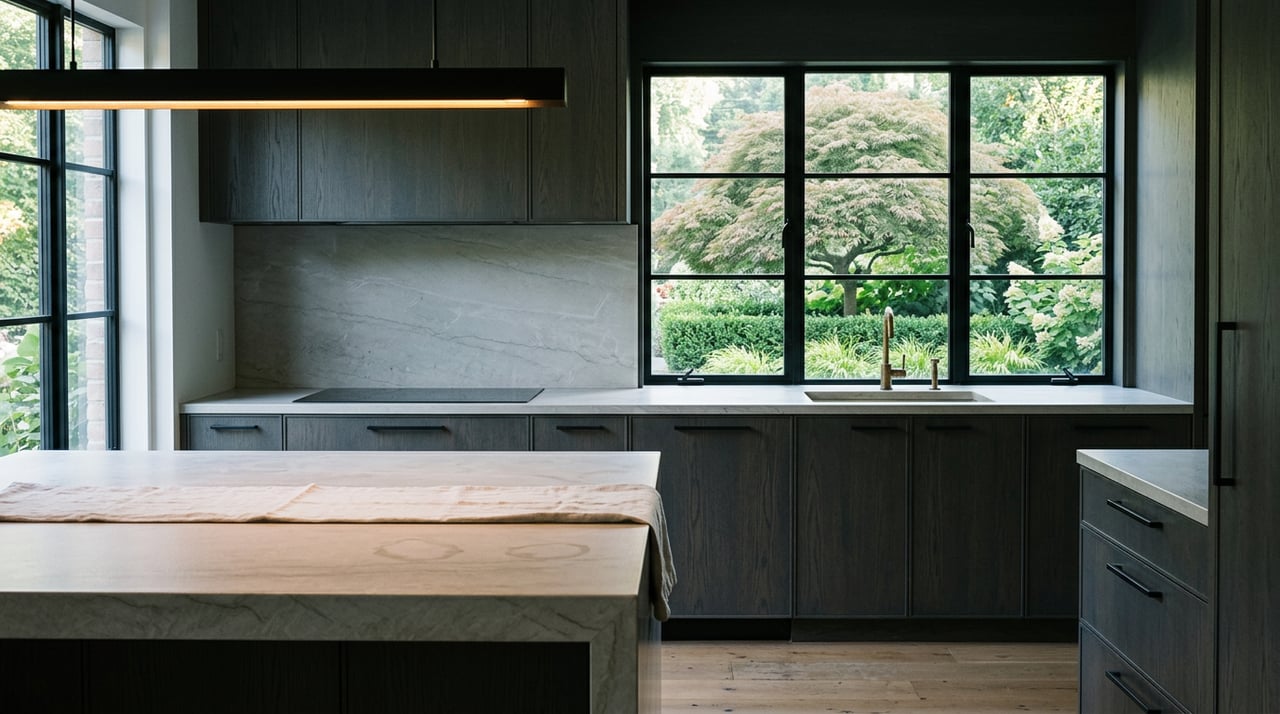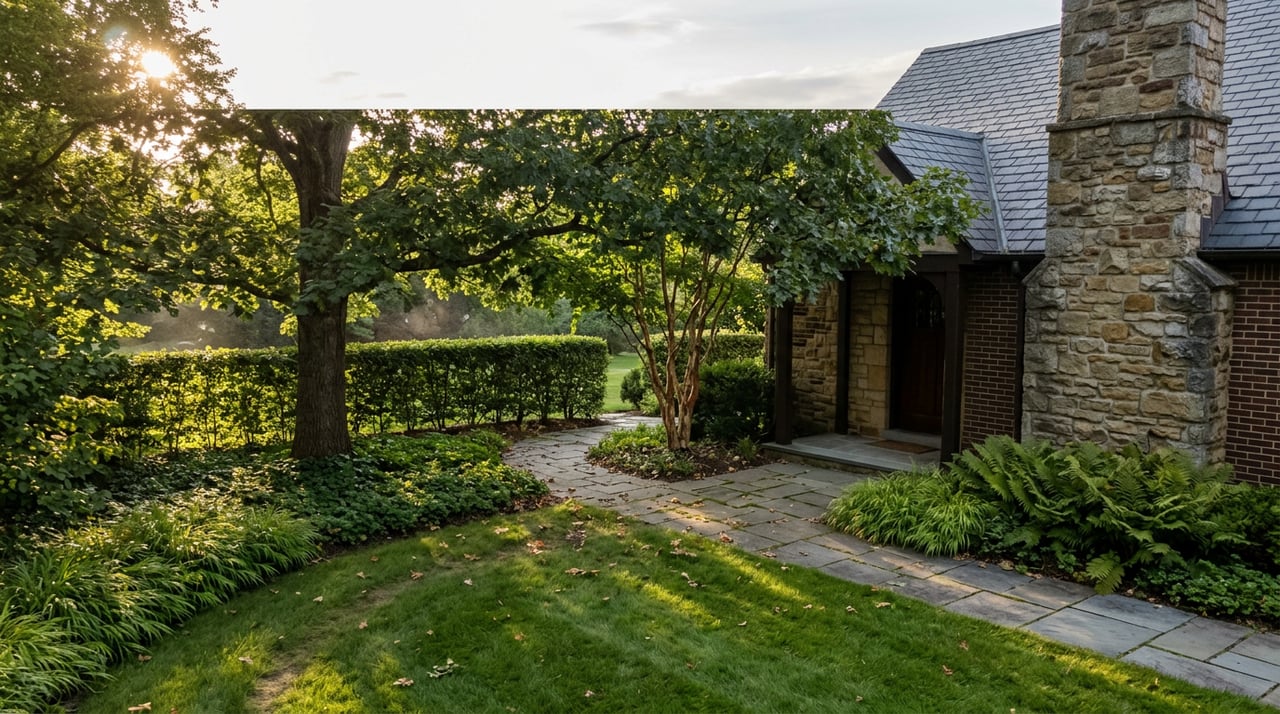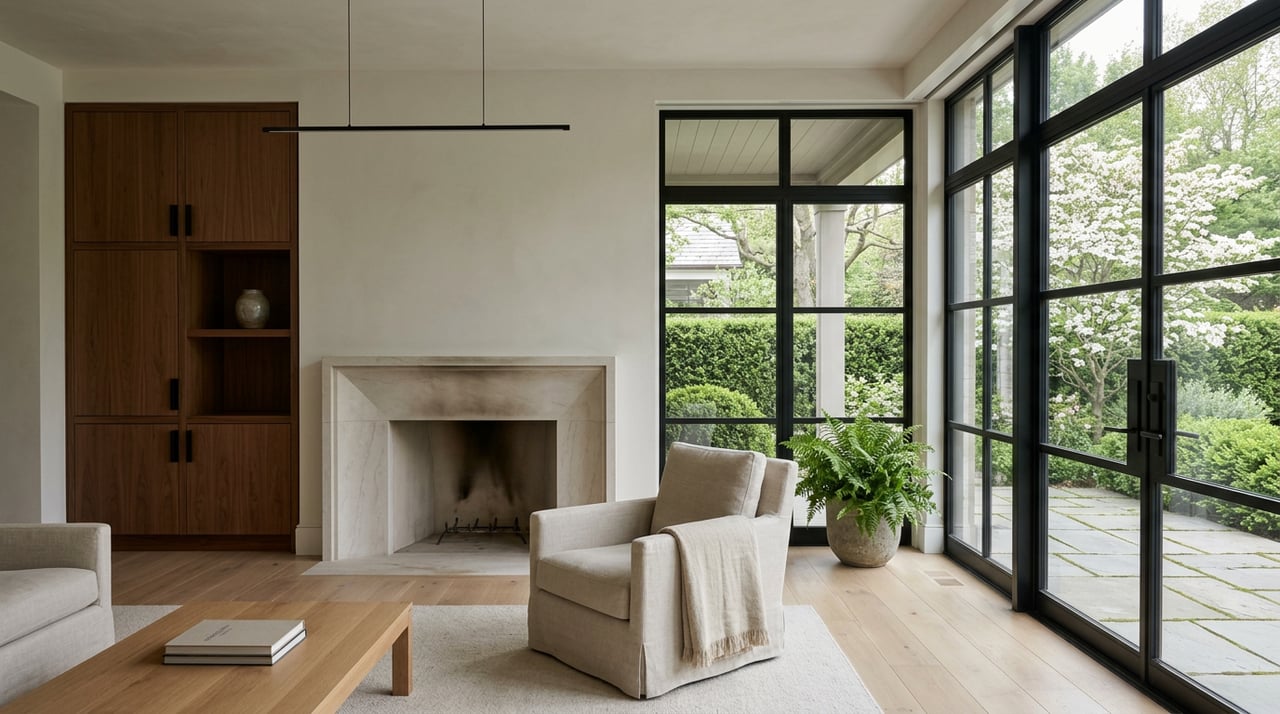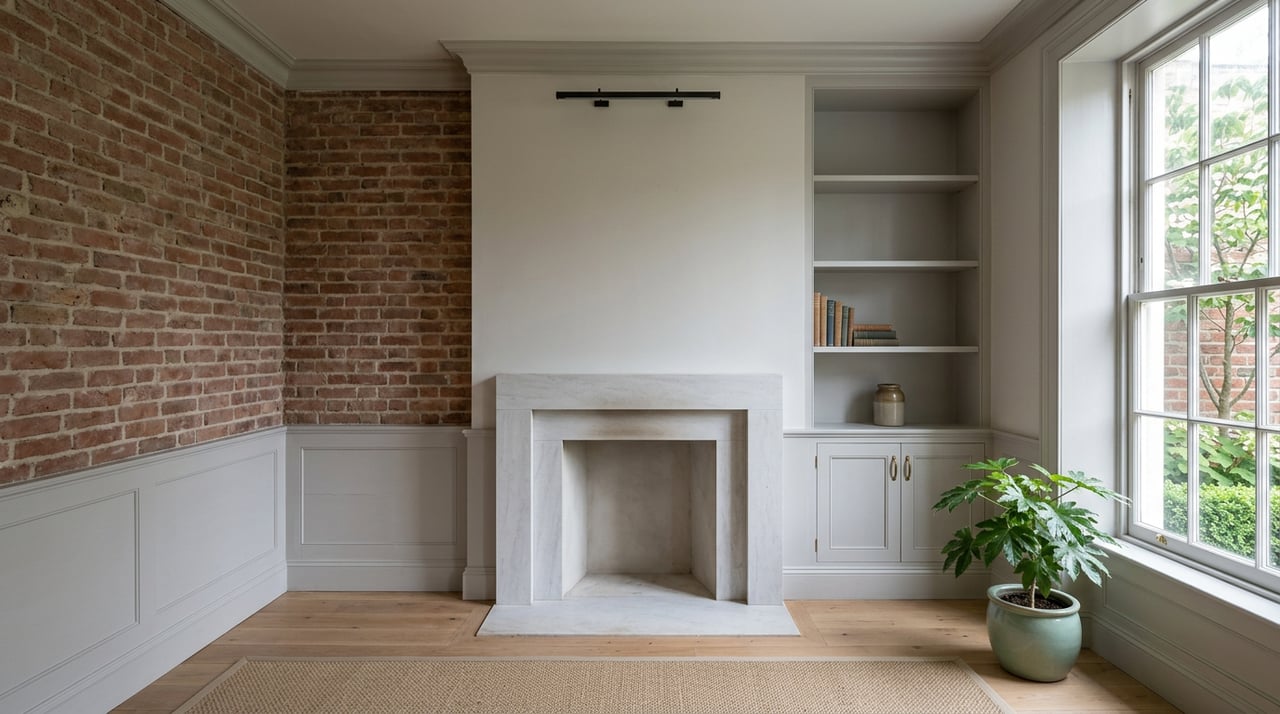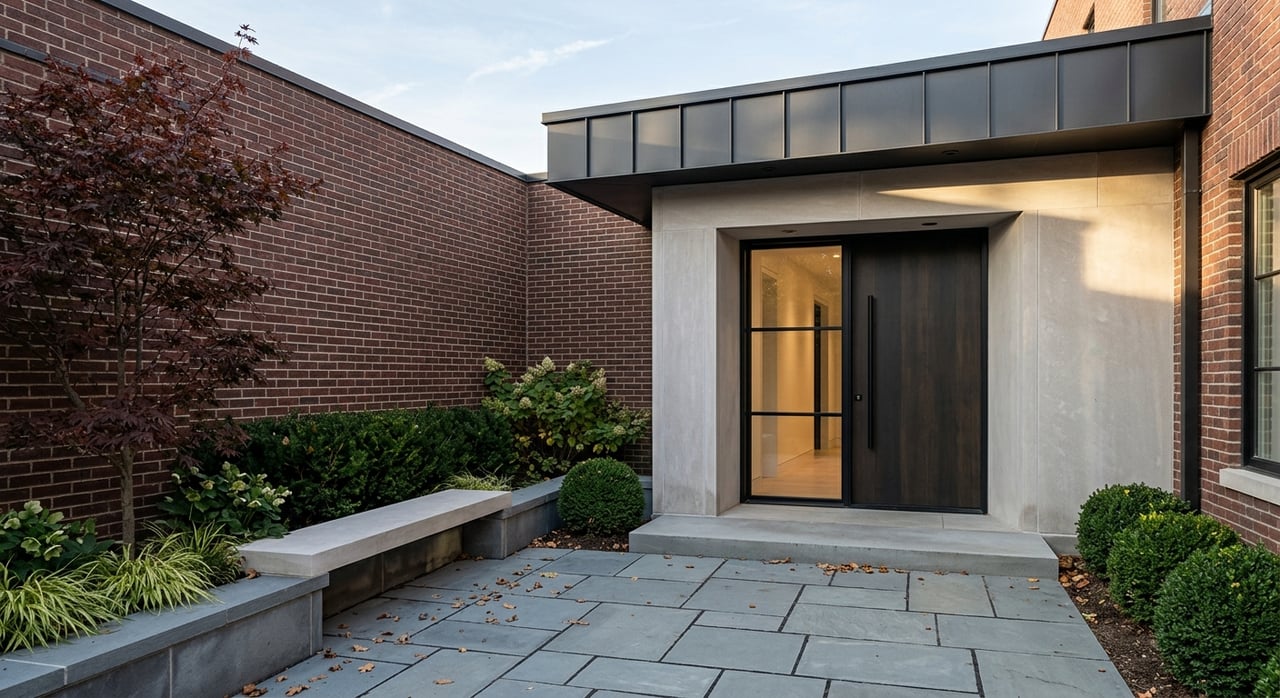
Are you better served by a turnkey home you can lock and leave, or by an estate property with land, privacy, and presence? In Lower Merion, that choice is especially meaningful because the housing stock supports both lifestyles, often within the same broader market. If you are weighing convenience against space, or future resale against day-to-day upkeep, this guide will help you sort through the tradeoffs with more clarity. Let’s dive in.
Lower Merion Supports Two Lifestyles
Lower Merion is a largely built-out Main Line suburb with very little vacant land, and that shapes how buyers think about housing here. The township’s housing stock is still led by single-family detached homes, but there is also a meaningful condo and multifamily presence in certain locations.
That mix is easy to see in the data. Township planning documents show that 57% of housing units are 1-unit detached homes, 14% are 1-unit attached homes, and 25% are in structures with 5 or more units. In other words, Lower Merion offers both classic estate-style ownership and lower-maintenance living in established pockets.
The area also has a mature housing profile. About 70% of the housing stock was built before 1960, the median construction year is 1950, and only a small share of homes were added in the 1990s. For you as a buyer or seller, that means character and scarcity often come with older systems, renovation considerations, and long-term maintenance planning.
What Estate Living Means Here
In Lower Merion, estate living usually means a detached home with more land, more separation, and a stronger sense of privacy. The township’s planning history connects the north and west parts of Lower Merion with lower-density neighborhoods, scenic topography, and larger home sites.
If you value mature trees, expansive grounds, and a quieter residential setting, estate properties often deliver that experience best. Private estates, institutional lands, and preserved open space all contribute to the township’s green, low-density character in certain sections.
Lower Merion’s open-space identity is not just anecdotal. The parks department cites 48 parks and 705 acres of parkland, which helps reinforce the broader landscape feel that many estate-minded buyers want.
Estate Living Advantages
Estate properties can be compelling when your priorities center on space and control. You may have more room for gardens, outdoor entertaining, pools, or custom landscape design.
You also gain a different relationship to the property itself. A larger detached home on a larger lot often feels more private and more removed from commercial corridors or denser residential patterns.
Estate Living Tradeoffs
More land usually means more responsibility. Exterior upkeep, tree care, landscaping, and systems maintenance tend to be more involved with larger detached properties.
Walkability can also vary by location. Township planning documents note that many north and west streets have no sidewalks, while the south and east sections tend to have more developed sidewalk networks and higher residential density.
For some buyers, that is a fair trade for privacy. For others, it becomes an everyday inconvenience that matters more over time.
What Lock-And-Leave Living Means
Lock-and-leave living usually refers to a home designed for lower day-to-day maintenance and easier travel or seasonal flexibility. In Lower Merion, that lifestyle is strongest near transit and commercial nodes where multifamily housing and transit-oriented redevelopment are more established.
This option tends to appeal if you want convenience without taking on full exterior property care. It can also be a strong fit if you travel frequently, split time between residences, or simply want a more streamlined ownership experience.
The township’s multifamily inventory describes these developments as having common elements such as open space, lobbies, parking areas, or clubhouses. That shared framework is often what makes the lifestyle feel simpler and more manageable.
Where Lower-Maintenance Living Is Concentrated
Higher-density living is not evenly spread across the township. Planning documents identify places such as Bala and East Bryn Mawr as denser multifamily concentrations, while areas like South Penn Valley remain overwhelmingly detached.
Transit access is one of the clearest differences. Lower Merion has multiple stations on the Paoli/Thorndale and Cynwyd regional rail lines, including Merion, Narberth, Wynnewood, Ardmore, Haverford, Bryn Mawr, and Rosemont. Amtrak Keystone Service also stops at Ardmore.
If your routine depends on rail access, nearby shopping, or shorter trips to daily services, these locations can offer a very different ownership experience than a larger estate setting.
Why Buyers Choose Lock-And-Leave Homes
Convenience is often the main reason. Township planning also notes demand for homes closer to shopping, transit, hospitals, pharmacies, parks, grocery stores, and bus stops, especially for older adults seeking easier access to daily needs.
That does not mean lock-and-leave living is only for one buyer type. It can also suit commuters, downsizers, and buyers who prefer location and accessibility over acreage and yard space.
The Core Decision Points
Choosing between these two lifestyles usually comes down to a few practical questions. In Lower Merion, those questions are shaped by density patterns, transit access, housing age, and the realities of property upkeep.
Privacy Versus Convenience
If privacy is your top priority, estate living often wins. Larger lots, mature landscaping, and lower-density surroundings can create a more secluded experience.
If convenience matters more, lock-and-leave living may be the better fit. Homes near village-style commercial areas and rail stations can simplify errands, commuting, and travel.
Upkeep Versus Shared Maintenance
With an estate property, you are taking on more direct responsibility for the grounds and exterior. That may be worth it if you love the space and want control over how the property is maintained.
With a lower-maintenance home, some of that responsibility shifts to a shared building or community structure. That trade can be attractive if you want fewer day-to-day tasks tied to the home.
Seclusion Versus Access
Lower-density sections of the township offer a more tucked-away feel. At the same time, they may have fewer sidewalks and a less walkable day-to-day pattern.
By contrast, denser areas in the south and east tend to have more developed sidewalks and stronger access to transit and services. Your ideal choice depends on how you want to live, not just what style of home you prefer visually.
Resale Matters in Both Categories
In a high-value market like Lower Merion, resale should be part of your decision from the start. Census data show a median owner-occupied home value of $810,400, and median monthly owner costs with a mortgage of $3,811.
The township’s 2025-26 total millage is 46.0384 mills, and the township’s 2026 real estate tax millage is 4.819 mills. The township also states that it does not assess a municipal resident earned income tax, and the school district does not impose an earned income tax either.
These numbers matter because lifestyle decisions affect holding costs over time. A larger estate may carry higher maintenance needs, while a lock-and-leave home may trade some private space for easier ownership.
Resale for Estate Homes
Estate homes often appeal to a smaller, more specific buyer pool. Higher purchase prices, larger lots, and more upkeep can narrow demand compared with homes built around convenience.
At the same time, scarcity can support long-term value. Lower Merion is largely built out, with limited vacant land, which can help support demand for well-located detached properties that are thoughtfully updated and well maintained.
Resale for Lock-And-Leave Homes
Lower-maintenance homes may attract a broader convenience-driven audience. Buyers who value transit access, simplified upkeep, and proximity to commercial centers often see clear benefits in this category.
That can be especially relevant in a market where residential sales volume has declined as mortgage rates increased, even as appreciation has offset part of that slowdown. Homes that align closely with practical lifestyle needs can stand out when buyers are more selective.
Sellers Should Watch the Net-Proceeds Math
If you are selling in Lower Merion, the lifestyle category of your home affects both buyer demand and your preparation strategy. Detached estate properties may need a sharper focus on landscaping, presentation, and condition because buyers are evaluating both the home and the land.
Lock-and-leave properties may lean more heavily on location, access, and ease of ownership. In either case, understanding your likely buyer pool is key to pricing and marketing well.
There is also a local cost that sellers should factor in early. When a property sells, Lower Merion imposes a 2% real estate transfer tax, with 1% going to the Commonwealth and 1% split between the township and the school district.
That transfer tax can have a meaningful impact on net proceeds. It is one more reason why pre-listing strategy, pricing discipline, and strong market positioning matter.
How To Choose the Right Fit
If you are deciding between lock-and-leave and estate living, start with your real daily routine rather than an abstract dream. The right answer usually becomes clearer when you look at how often you travel, how much maintenance you want to manage, and whether access or privacy shapes your life more.
A simple way to frame it is this:
- Choose estate living if you value land, privacy, mature landscaping, and a more secluded setting.
- Choose lock-and-leave living if you value convenience, easier upkeep, transit access, and flexibility.
- Think about resale early, especially in a market where buyer priorities can shift with rates, costs, and lifestyle trends.
- Factor in holding costs and transfer tax, not just purchase price or list price.
In Lower Merion, both options can make sense. The better choice is the one that supports how you want to live now and how you want your property to perform later.
If you want help evaluating which lifestyle fits your goals in Merion or the broader Main Line, Societe Plus Serhant brings local market insight, polished strategy, and concierge-level guidance to every step.
FAQs
What is the difference between lock-and-leave and estate living in Lower Merion?
- Lock-and-leave living focuses on lower maintenance, shared building features, and often better access to transit and commercial areas, while estate living focuses on detached homes, larger lots, more privacy, and greater upkeep responsibility.
Where are lock-and-leave homes most common in Lower Merion?
- Township planning points to denser multifamily concentrations in places such as Bala and East Bryn Mawr, with stronger alignment near transit and commercial nodes.
Where does estate living fit best in Lower Merion?
- Estate-style living is generally more associated with the township’s lower-density north and west areas, where larger home sites, scenic topography, and a more secluded setting are more common.
How does transit affect home choice in Lower Merion?
- Transit can be a major advantage for lower-maintenance buyers because Lower Merion has multiple regional rail stations, including Merion, Narberth, Wynnewood, Ardmore, Haverford, Bryn Mawr, and Rosemont, plus Amtrak service at Ardmore.
What should sellers know about transfer tax in Lower Merion?
- When a property sells, Lower Merion imposes a 2% real estate transfer tax, with 1% going to the Commonwealth and 1% split between the township and the school district.
Does older housing stock matter when buying in Lower Merion?
- Yes. About 70% of the housing stock was built before 1960, so buyers should consider maintenance, updates, and systems condition alongside location and lifestyle fit.