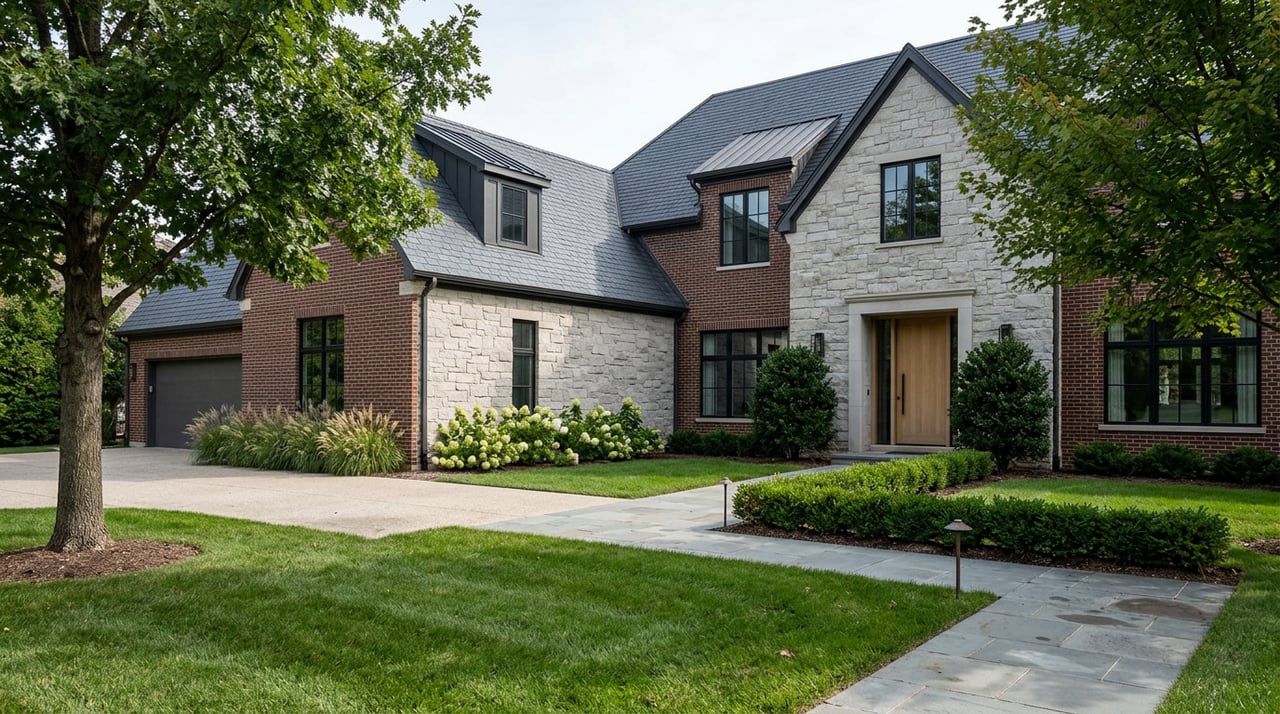
Craving more breathing room without giving up access to Philadelphia? If you split time between office days and home life, you’re likely weighing city walkability against private acreage. This guide gives you a clear, data-informed way to compare luxury options in Center City and the Greater Lehigh Valley, including what your budget buys, commute realities, and ongoing costs. You’ll see how far your dollar stretches to help you decide if a Lehigh Parkway–area estate or a prime city address fits best. Let’s dive in.
What your budget buys at the top end
Luxury is best defined by the top 5 percent of local sales, not a fixed dollar amount. Regional analysts use that top-tier rule for the Philadelphia area, which helps you compare product across markets with different baselines. You can see this approach referenced in regional coverage of the Philadelphia luxury tier using the top-5-percent definition.
- City vs. metro context: Zillow reports a typical home value around $227,500 in the City of Philadelphia and about $348,900 across the Allentown–Bethlehem–Easton metro as of January 2026. Those figures reflect very different housing stock: city condos and rowhomes on compact lots versus larger suburban single-family homes with more land in the Valley.
- Rule of thumb: The same luxury budget often buys 2–5 times more interior square footage and far more private land in the Lehigh Valley than in core Philadelphia. The tradeoff is walkability and instant access to cultural amenities.
For about $1,000,000
- Lehigh Valley: Representative listings show detached custom homes around 5,000–6,000 square feet on about 1 acre in townships near Easton and Orefield. One public record example in Easton reflects roughly 5,900 square feet on a 1.0-acre parcel at this budget range.
- Philadelphia: Around $1 million commonly buys a high-end condo or renovated rowhome in core neighborhoods like Rittenhouse or Society Hill. Outdoor space is usually a small yard or terrace, and lot sizes are often under 0.1 acre.
For $1.25M–$1.5M
- Lehigh Valley: Recent offerings include multi-thousand-square-foot custom builds with 1–4 acre parcels. You often see newer construction with multi-car garages and generous basements, plus room for a pool or guest suite.
- Philadelphia: Expect a large luxury condo or a polished city townhouse. A notable Rittenhouse condominium sale in this range highlights premium finishes and proximity to Center City amenities, but no private acreage.
For $2M+
- Lehigh Valley: Budgets at this tier can unlock estate-scale properties, multi-acre parcels, or single-owner trophy homes in premium townships. Parcels of 3–10 acres appear when available.
- Philadelphia: Think ultra-luxury penthouses, fully restored historic townhouses in Rittenhouse or Society Hill, or high-end detached homes in select Northwest pockets like Chestnut Hill. Private lot area remains limited compared with suburban acreage.
Space and lifestyle differences
Acreage and land use
- Lehigh Valley: Higher-end listings regularly advertise 1–4+ acre lots. You gain privacy, room for amenities like pools and outbuildings, and space for pets and hobbies.
- Philadelphia: Luxury centers on condos and historic rowhouses. Private outdoor space is modest. Public parks, streetscapes, and cultural venues effectively “replace” large private yards.
Home styles and amenities
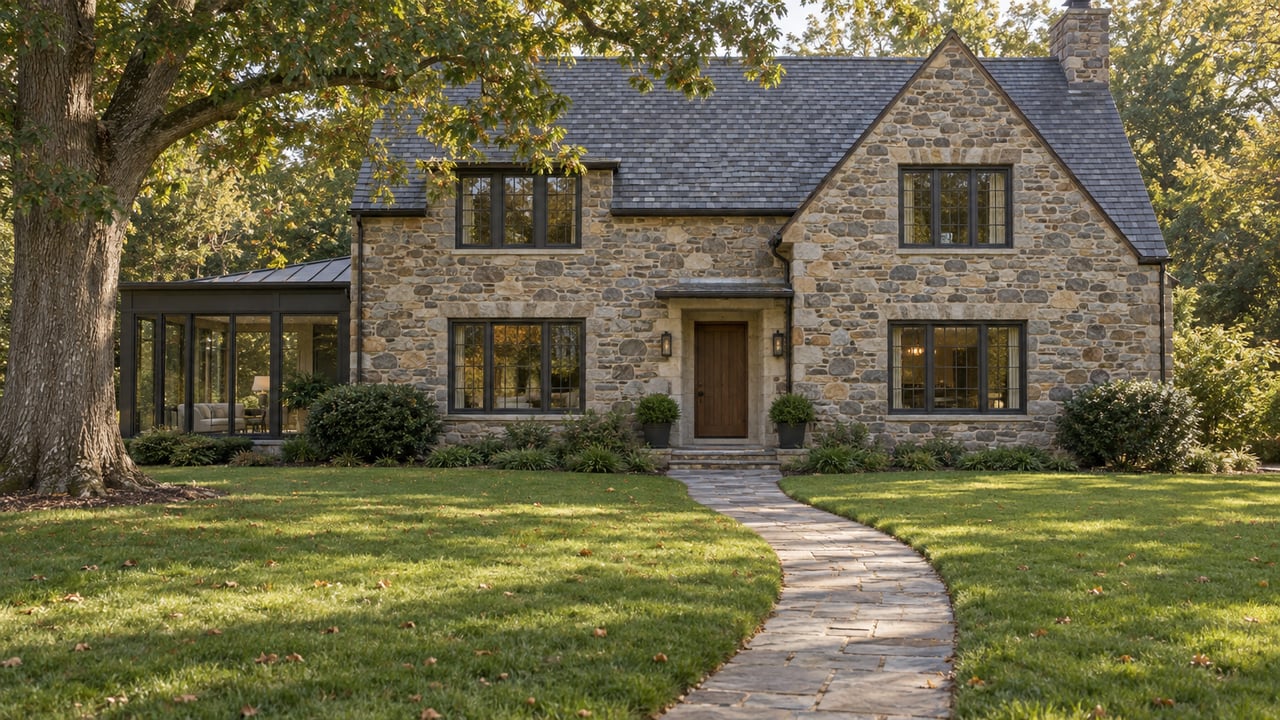
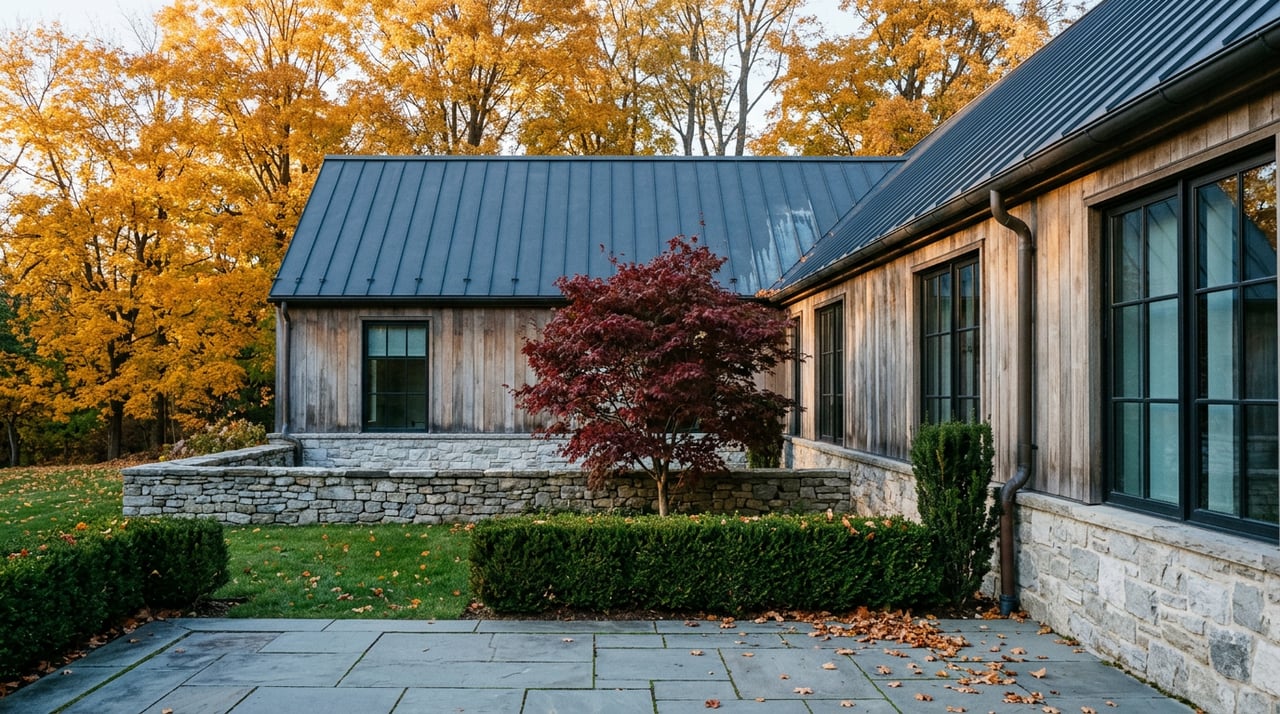
- Lehigh Valley: Newer custom builds, modern farmhouses, and expansive colonials are common. Expect multi-car garages, large basements, and flexible rooms for gyms, offices, or studios.
- Philadelphia: Historic architecture and vertical living dominate. You benefit from walkable dining, museums, and quick access to professional services and transit.
Commute and mobility for hybrid schedules
If you work part of the week in Center City, time modeling is essential.
- Driving: Allentown to Center City Philadelphia is about 58–62 miles and roughly 1 hour to 1 hour 15 minutes in typical conditions. Model rush-hour variability and weather to set a realistic weekly plan.
- Transit from the Valley: Expect to rely on driving and express coach service for most city trips. Lehigh Valley passenger rail is under study, not in regular service as of early 2026. For occasional office days, many Valley residents plan for car travel or bus.
- Within Philadelphia: Density and frequent transit shorten door-to-door time. Office days can be 5–30 minutes each way depending on neighborhood and mode.
For a few office days per month, the Valley distance tends to matter less. For 2–3 days per week, commute predictability can outweigh acreage.
Carrying costs: taxes, fees, upkeep
Run an annualized comparison before you choose a market.
- Property tax: Effective rates differ by county. Aggregated data show Philadelphia County’s effective rate around 0.8–1.0 percent and Lehigh County’s around 1.3–1.8 percent. Actual bills vary by municipality, school district, and assessment method, so model property-specific obligations.
- City wage tax: Philadelphia’s wage and earnings tax rates were adjusted effective July 1, 2025. If you earn income in the city, local withholding can affect your net carry costs. Check the city’s current rates when evaluating scenarios.
- Transfer and closing costs: Philadelphia increased its realty transfer tax effective July 1, 2025. Suburban purchases have state and county fees, but not the same city transfer structure. Build in a line item for closing differences.
- Maintenance: Larger parcels and estate homes can mean landscaping, pool care, septic, long driveways, and higher utilities. City condos often shift some costs into HOA fees rather than yard upkeep.
Who chooses which market and why
- Hybrid execs who value land: If you travel to the office monthly or a couple of times per month, a Lehigh Parkway–area home can deliver acreage, privacy, and space for hobbies without weekly commute strain.
- Downsizers who still want room: If you want fewer stairs and more single-level living plus outdoor space, the Valley’s newer construction on larger lots can be compelling.
- City-first culture seekers: If top-tier dining, arts, and short office days matter most, a Rittenhouse or Society Hill residence may be the better lifestyle fit.
- Equestrian or multi-hobby households: Multi-acre Valley parcels accommodate animals, car collections, and studio or workshop builds that are rare inside the city.
Quick decision checklist
- How many in-office days per month will you have over the next 24 months?
- Do you value a private yard, multi-car garage, and hobby spaces more than walk-to dining and culture?
- What is your total annual cost by address: mortgage, property tax, utilities, HOA or maintenance, commuting and parking, and any city wage tax exposure?
- Which neighborhoods or townships align with your preferred school district and municipal millage? Verify parcel-level obligations before making an offer.
- For Lehigh Valley options, are you comfortable with upkeep for acreage, pools, and longer driveways in winter?
Your next move with a trusted guide
You deserve a clear, tailored answer based on how you live and work. Our team pairs deep knowledge of Center City and the Greater Lehigh Valley with white-glove guidance, from private tours and on-market comps to cost modeling aligned to your hybrid schedule. When you are ready to compare a Rittenhouse penthouse with a Lehigh Parkway–area estate, we will help you see the full picture and move with confidence.
Let’s design your shortlist and timeline. Book a confidential consultation with Societe Plus Serhant.
FAQs
What defines “luxury” in Philadelphia and the Lehigh Valley?
- Analysts commonly use the top 5 percent of sales by price within a local market as the luxury tier. This lets you compare across areas with different average home values.
How long is the drive from Allentown to Center City Philadelphia?
- The drive is about 58–62 miles and typically takes 1 hour to 1 hour 15 minutes in normal conditions. Rush hour can extend that time.
Are there direct trains from the Lehigh Valley to Philadelphia?
- As of early 2026, direct passenger rail is under study but not in regular service. Most commuters rely on driving or express bus service.
How do property taxes compare between Philadelphia County and Lehigh County?
- County-level effective rates suggest Philadelphia around 0.8–1.0 percent of value and Lehigh around 1.3–1.8 percent. Actual bills vary by municipality and school district.
If I work in Philadelphia but live in the Lehigh Valley, does the city wage tax apply?
- Wages earned in Philadelphia are subject to the city wage tax. Rates were adjusted effective July 1, 2025; confirm current figures for your planning.