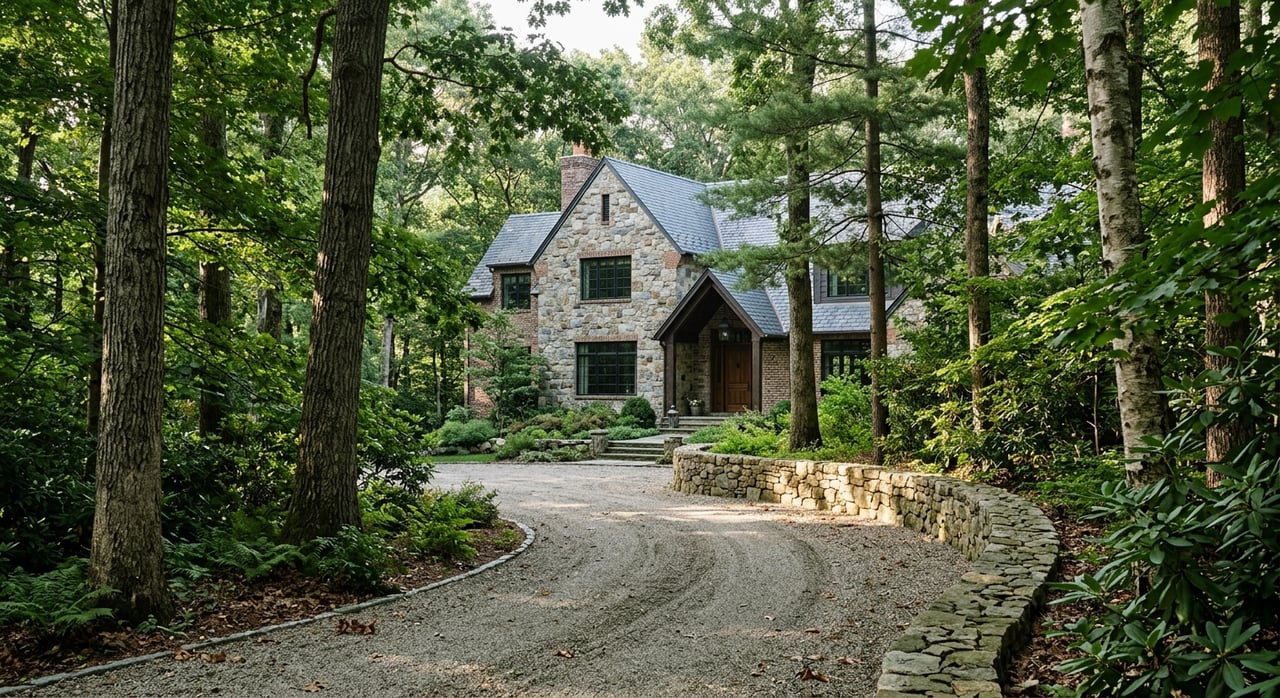
If you are selling a Gladwyne estate, privacy is not a side issue. It is part of the property’s value. In a place known for large wooded estates, deep setbacks, and a strong sense of local identity, the right marketing plan should protect discretion while still attracting qualified buyers. This guide will show you how to present a Gladwyne estate thoughtfully, from listing photos to showing strategy to Pennsylvania disclosure rules. Let’s dive in.
Why Privacy Matters in Gladwyne
Gladwyne sits within Lower Merion Township on the Main Line, in an area long associated with country estates and large suburban homes. Township planning history also notes that the large wooded estates of Gladwyne are part of the area’s open-space character.
That setting shapes buyer expectations. When someone shops for an estate in Gladwyne, they are often looking for land, mature landscape, quiet positioning, and separation from the street. Privacy is not just a preference. It is often one of the features that helps define the home’s appeal.
The township’s community profile also reports very low population density in Gladwyne. For sellers, that means your marketing should reflect what makes the setting special without turning a private property into an open book online.
Lead With Privacy Signals
Your public listing should communicate value clearly, but it should not reveal more than necessary. The goal is to help buyers understand why the property stands out while keeping sensitive details off the public stage.
For a Gladwyne estate, that often means focusing on broad signals of privacy and scale such as:
- Acreage
- Wooded buffering
- Setback from the road
- Private approach
- Rear-yard orientation
- Mature landscaping
- Relationship to preserved open space, when applicable
This kind of language tells a strong story without mapping the property for the public. It also helps buyers quickly understand the estate’s lifestyle appeal.
Make the First Photo Count
Most buyers begin their search online, and listing photos are one of the most useful parts of that process. The lead image sets expectations for everything that follows.
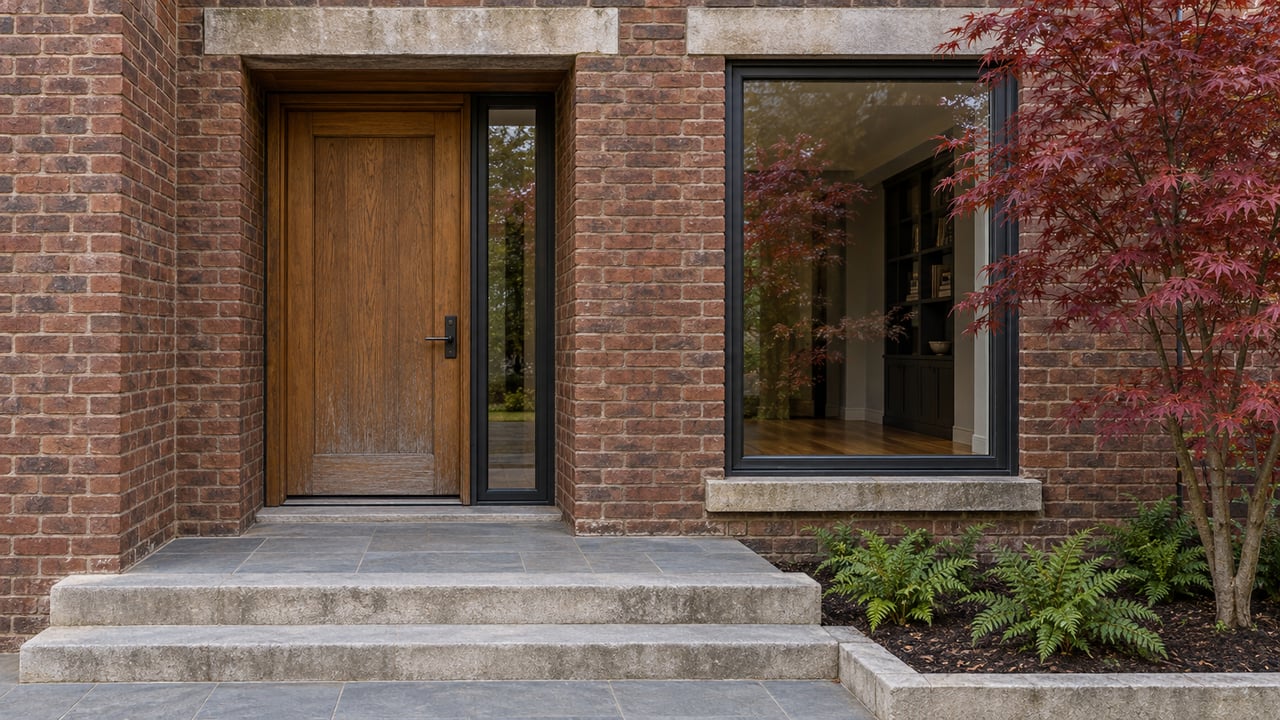
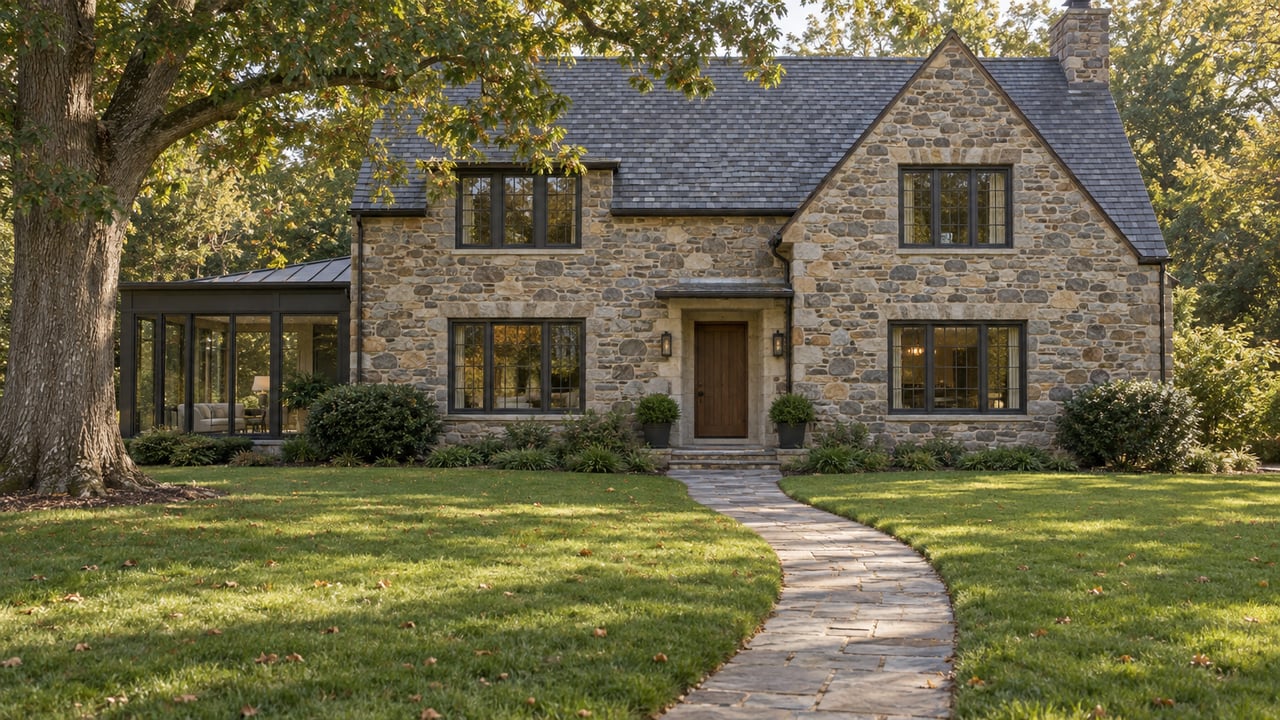
If privacy is a priority, your first photo should usually show presence, not exposure. A strong exterior frame from a flattering angle often works better than an image that reveals the full approach, every sightline, or too much of the grounds.
For many Gladwyne estates, the best lead image highlights architectural character, mature landscaping, and a sense of arrival. It should create interest and confidence while leaving room for discovery during a qualified showing.
Share Enough, Not Everything
A privacy-minded listing still needs to answer the questions serious buyers will have. They want to understand scale, orientation, and outdoor usability. The key is to share enough context to support interest without exposing unnecessary access details.
That balance matters even more on secluded wooded properties. You can describe a long approach, tree-lined setting, or rear-facing outdoor living areas without detailing every path, gate, or secondary structure in public marketing.
Selective storytelling is often the best fit for Gladwyne. It respects the estate’s private character while still helping buyers recognize value.
Use Photography That Feels Controlled
High-resolution photography remains essential. NAR guidance also recommends practice shots before the professional shoot, opening blinds, reducing visual clutter, and using simple accessories that help a room read well on camera.
For an estate property, the smartest photo plan is usually edited and intentional. A calm, curated image set often supports privacy better than a large gallery packed with wide-angle views of every exterior approach and outbuilding.
In practice, that may mean prioritizing:
- A refined exterior hero shot
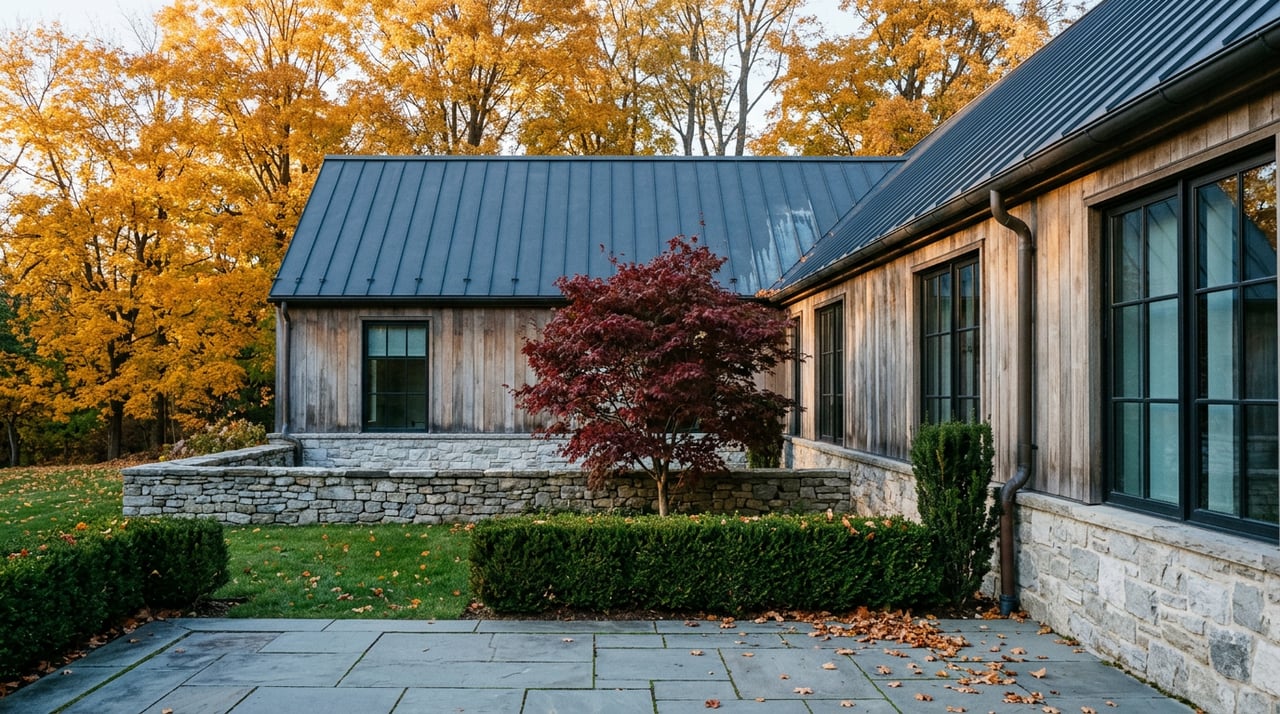
- A few carefully framed outdoor images
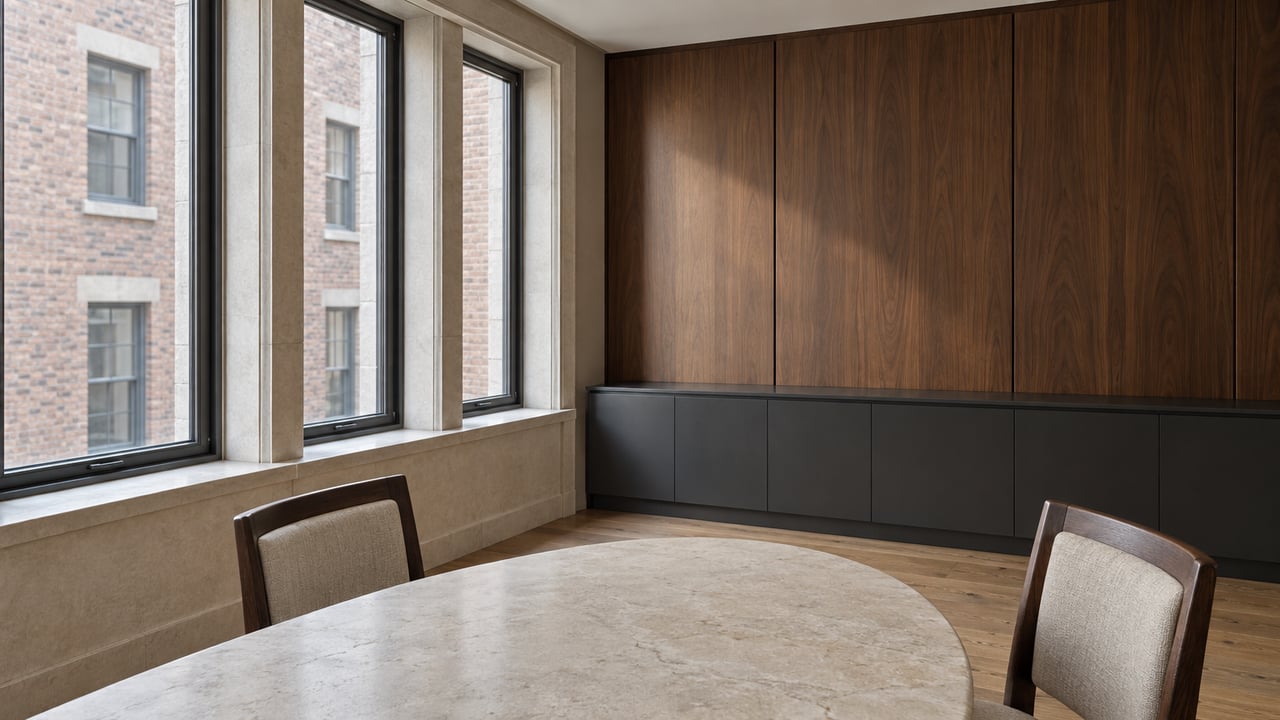
- Interior photos that show volume, light, and finish quality
- Lifestyle spaces with clear purpose and flow
- Limited site imagery that conveys scale without overexposing the layout
This is where premium production standards matter. Thoughtful framing can elevate the home while keeping the presentation discreet.
Be Careful With Aerials and Digital Edits
Aerial photography can be useful for showing lot size, tree coverage, and setting. Still, a privacy-first estate campaign should use aerials selectively.
For Gladwyne properties, limited aerial views often work better than a full overhead map-like reveal. You want buyers to appreciate the estate’s scale and natural setting without broadcasting every access point or edge condition.
The same care applies to digital enhancement and virtual staging. If edits are used, they should clarify the home rather than replace reality. Accurate presentation builds trust, while misleading edits can create disappointment and weaken credibility.
Remove Personal and Sensitive Details
Before photography begins, privacy should be addressed inside the home as well. NAR recommends removing family photos, calendars, mail, passwords, jewelry, firearms, medications, and other sensitive items from view.
This step does more than tidy the home. It helps protect your personal information and keeps the visual focus on the property itself.
For many estate sellers, it is also wise to review offices, dressing areas, bedside surfaces, and secondary rooms carefully. A polished listing should feel intentional, not revealing.
Review Photo Metadata Before Posting
Privacy planning should include the image files, not just the pictures themselves. The FBI warns that smartphone photos can contain metadata such as dates, times, and geographic coordinates.
That information can reveal more than intended. Before any images are shared online, geotagging and location settings should be reviewed so hidden data does not undermine an otherwise careful launch.
Screen Showings Thoughtfully
Privacy should shape the showing plan as much as the listing itself. For an estate sale, not every inquiry should lead directly to access.
NAR’s Safe Listing Form recommends showings only to pre-qualified or properly identified prospects. It also notes that electronic lockboxes record who enters and when, which offers stronger accountability than a standard combination box.
For a Gladwyne estate, a controlled showing strategy may include:
- Confirming financial qualification before access
- Verifying identity for in-person tours
- Scheduling private showings rather than open access
- Using tracked electronic lockbox systems where appropriate
- Discouraging unauthorized photography during showings
This approach protects the home while keeping the process professional for serious buyers.
Consider a Controlled Launch
Some sellers want to begin with a quieter rollout before a broader public debut. In a privacy-sensitive estate market, that can be a smart move when handled strategically.
NAR policy recognizes delayed marketing exempt listings, which can allow a property to be marketed in a manner consistent with the seller’s needs while still remaining available to other MLS participants. The exact rules depend on the local MLS and brokerage framework.
The bigger point is simple. Privacy should control exposure, not eliminate it. A controlled launch can help you prepare the market, refine positioning, and manage access, but it should usually support a larger pricing and exposure strategy rather than replace it.
Privacy Does Not Override Disclosure
A private marketing plan does not change your disclosure obligations in Pennsylvania. The Pennsylvania seller disclosure rules require sellers to disclose known material defects that are not readily observable.
The state’s disclosure form is not a warranty, and it does not remove the obligation to disclose a material defect that may not be covered elsewhere on the form. For sellers, that means you can limit what appears online, but you cannot hide material condition issues.
This is one of the most important distinctions in estate marketing. Selective presentation is smart. Selective compliance is not.
A Better Estate Strategy for Gladwyne
The strongest estate campaigns do not choose between privacy and exposure. They build a plan that protects what should remain private while presenting the home with enough precision and polish to attract the right buyers.
In Gladwyne, that often means pairing discreet public storytelling with elevated visuals, careful screening, and a measured rollout. It is a strategy built for a market where setting, identity, and privacy carry real weight.
If you want to showcase a Gladwyne estate without compromising discretion, the details matter. From the first frame to the final showing, a thoughtful plan can help you protect the home’s private character while still positioning it for a strong result. To start that conversation, connect with Societe Plus Serhant.
FAQs
What should the first listing photo show for a private Gladwyne estate?
- A strong exterior view that highlights architecture, landscaping, and presence without revealing unnecessary site access or full property layout.
How much lot detail should a Gladwyne estate listing include?
- Enough to show acreage, wooded buffering, setback, and outdoor orientation, but not so much that the listing exposes every sightline, approach, or access point.
Are aerial photos a good idea for a privacy-sensitive estate sale in Gladwyne?
- Yes, but usually in a limited way that shows scale and setting without fully mapping the property or revealing unnecessary details.
How should showings be handled for a Gladwyne estate listing?
- Showings are often best limited to pre-qualified or properly identified buyers, with scheduled access and tracked entry methods that support privacy and accountability.
Can a Pennsylvania seller keep certain property details off the public listing?
- Yes, public marketing can be selective, but sellers still must disclose known material defects that are not readily observable under Pennsylvania disclosure rules.