If you own a marquee estate on the Main Line, pricing it is not a matter of pulling a few nearby sales and picking the highest number. Trophy properties live in a thinner, more nuanced market where one street, one setting, or one renovation can change the buyer pool in a meaningful way. The good news is that a disciplined pricing process can turn that complexity into a real advantage. Let’s dive in.
Why trophy pricing is different
On the Main Line, broad averages can hide the details that matter most at the top of the market. Lower Merion Township includes distinct districts such as Bryn Mawr, Gladwyne, Haverford, Penn Valley, and Wynnewood, and it borders Haverford and Radnor in Delaware County, according to Lower Merion Township’s district guide. For an estate seller, that means your home may compete most directly within a very specific village-level micro-market, not across a whole township.
That distinction matters because recent pricing anchors vary widely. In February 2026, Lower Merion detached homes posted a median sold price of $1.3 million, while Gladwyne’s median sale price was $2.1825 million, and Haverford Township detached homes were far lower at $602,500 in January 2026, based on local market data. When the spread is that large, township-wide median numbers can be too blunt for a true estate-level pricing decision.
The broader luxury market also shows why patience and precision matter. In February 2026, the top 10% of listings in the Philadelphia-Camden-Wilmington metro started at $899,465, with the 90th-percentile tier taking a median 71 days to sell, according to Realtor.com luxury market research. In other words, higher-end homes often need a more careful strategy from day one.
Start with the smallest relevant market
A strong pricing strategy usually begins by defining where your home truly competes. For a trophy estate, that may be a narrow slice of Haverford, Gladwyne, Bryn Mawr, or Radnor rather than a broader municipal area. The closer the market match, the more useful the sales comparison becomes.
This approach aligns with national valuation guidance. Fannie Mae’s comparable sales standards state that comparable properties should ideally be from the same market area and should be similar in site, room count, finished area, style, and condition. If a property is unique or sales are limited, older sales or competing neighborhoods may be used, but the reason should be clearly documented.
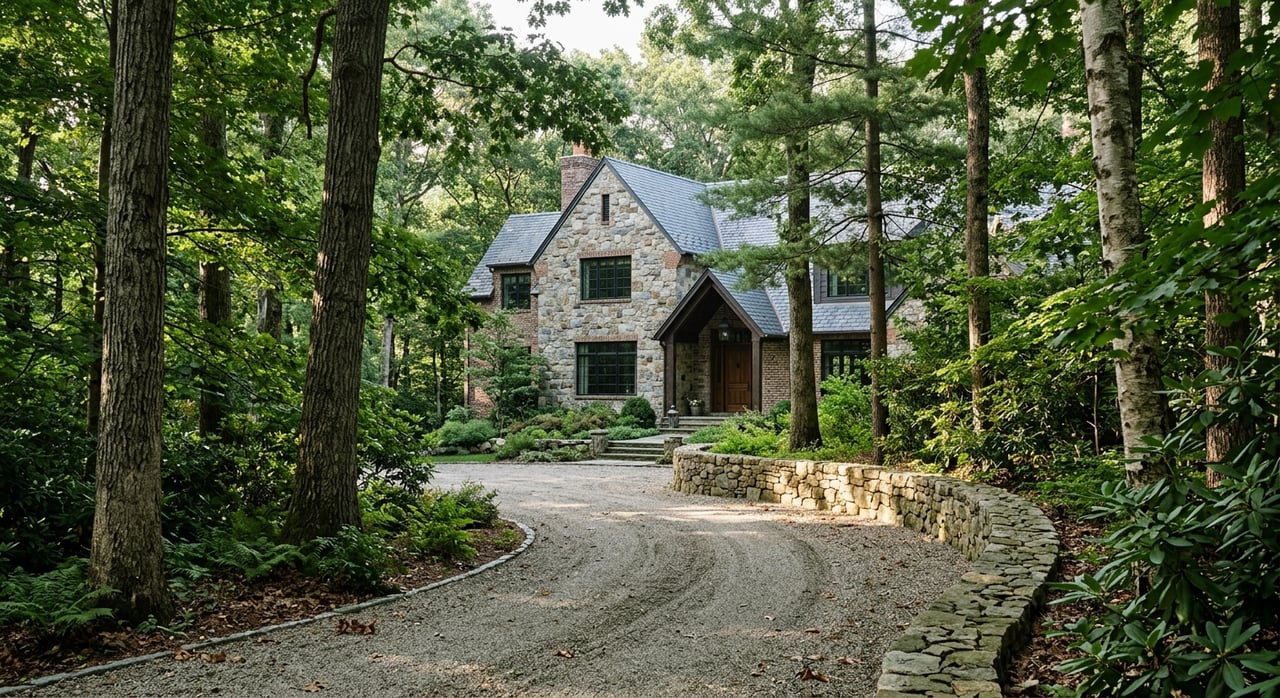
That is especially relevant on the Main Line, where inventory at the top can be thin. A stately stone manor on generous acreage may not truly compete with a newer luxury home in another part of the township, even if both are expensive. The goal is not just to find expensive homes. It is to find the homes that a likely buyer would have seriously considered alongside yours.
Use more than closed sales
Many sellers assume pricing starts and ends with recent closings. Closed sales matter, but they are only part of the picture. The National Association of Realtors consumer guide on pricing explains that a comparative market analysis should also review active listings and properties under contract.
Why does that matter? Closed sales tell you where the market has been. Active listings show your current competition. Pending deals can hint at what today’s buyers are willing to accept, even before those numbers become public in the sold data.
For trophy estates, active inventory can also cap the market. If buyers can choose between several high-end homes with similar acreage, privacy, or finish level, your list price has to make sense within that live competitive set. A pricing recommendation without that context is incomplete.
Adjust for what buyers actually value
The top end of the market is where pricing shortcuts can do the most damage. Fannie Mae’s guidance on adjustments is clear that adjustments should reflect the market’s reaction, not a rule of thumb. It specifically rejects arbitrary dollar-per-square-foot shortcuts when the evidence points elsewhere.
That is important because estate buyers are not buying square footage alone. They are reacting to setting, privacy, lot position, renovation quality, light, layout, and the overall experience of the property. Those factors can create a meaningful spread between two homes that look similar on paper.
Privacy and setting
Privacy is often one of the biggest pricing variables in an estate sale, but it should not be treated as an automatic premium. Fannie Mae’s comparable sales standards note that external factors and location differences should be considered and, when appropriate, explained through location adjustments. For a Main Line estate, that means privacy, views, and lot position should be tested against actual buyer behavior in comparable sales.
Renovation quality and condition
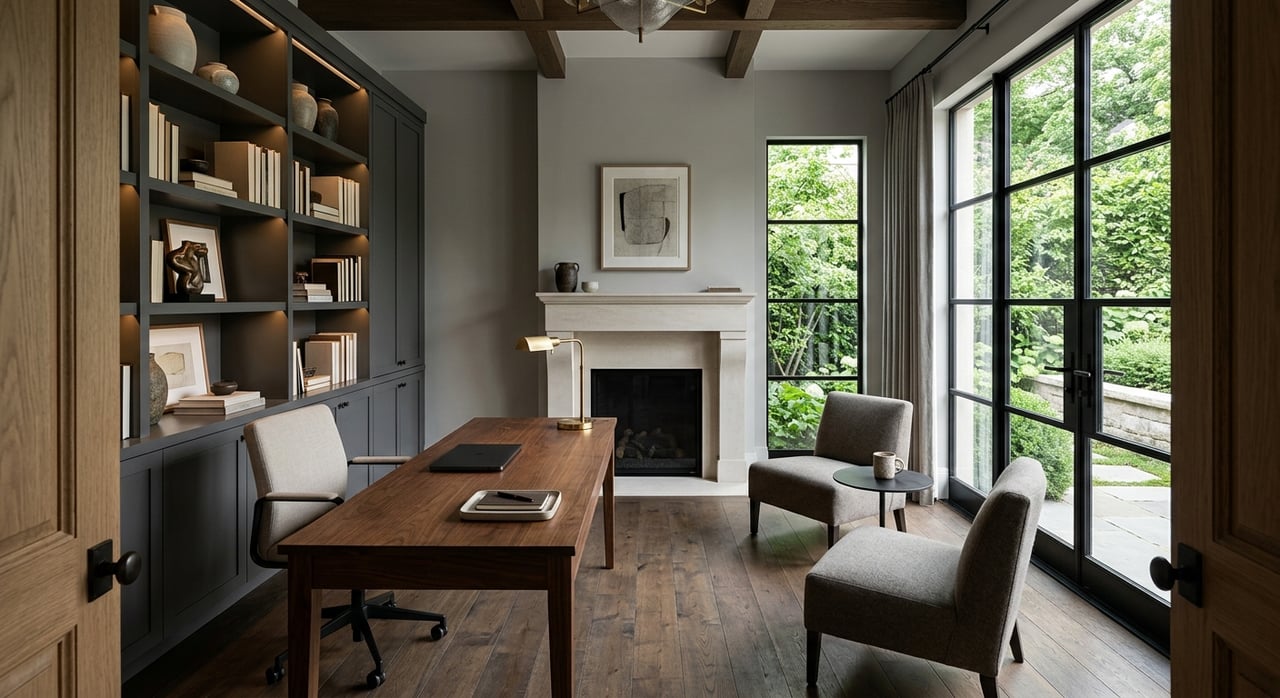
A fresh, well-executed renovation can strengthen pricing, but not every dollar spent returns dollar for dollar. NAR advises sellers and agents to consider property condition, upgrades, and repairs when pricing a home, and Realtor.com’s Philadelphia luxury coverage notes that affluent buyers in the region prioritize move-in-ready living along with privacy, security, natural light, and views. In practical terms, polished presentation can help support a stronger asking price, but the premium still needs market proof.
Architecture and provenance
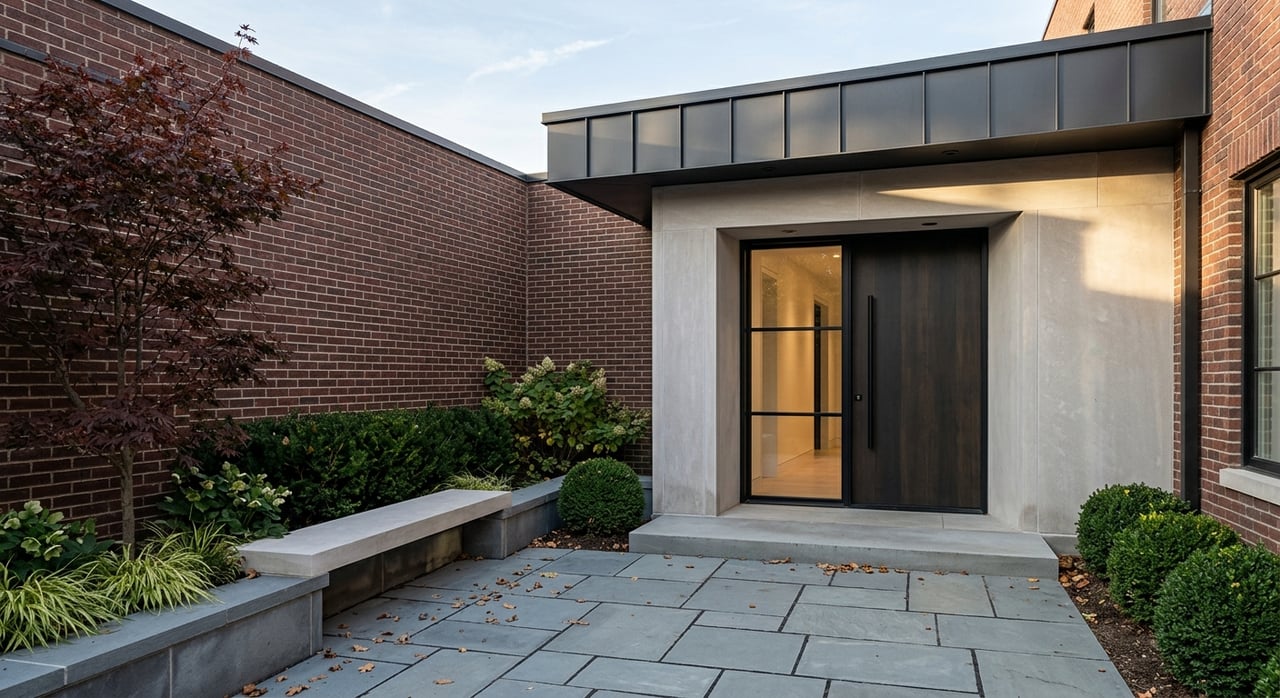
On the Main Line, architecture can shape demand in a way that standard comps may miss. Realtor.com’s architecture research connects style, price, size, age, and place, and its Philadelphia luxury reporting highlights the region’s Gilded Age architecture and historic character. For a heritage estate, provenance may expand buyer interest and improve marketability, but it is better viewed as a liquidity and marketing factor than a fixed line-item add-on.
Why overpricing can backfire fast
At the trophy level, sellers sometimes assume there is little harm in testing the market above where the data point. The problem is that early buyer feedback tends to be especially important in a high-end listing launch. If your home misses the mark in the first few weeks, the market may read that hesitation as a signal.
Real examples show how wide the gap between asking price and achieved value can be. One Haverford property at 543 Avonwood Rd sold for $2.8 million, while a Bryn Mawr home at 390 S Bryn Mawr Ave was listed at $2.2 million and sold for $1.5 million in February 2026, as reflected in the research report’s sold-property examples. That spread is a reminder that a list price is a strategy, not proof of value.
The strongest pricing plans are designed to still look credible after the first wave of showings and early conversations with buyers. That is where a careful, defensible range matters most.
What a serious pricing process looks like
A polished presentation is important, but the pricing logic behind it matters just as much. According to NAR’s consumer guide, agents should evaluate location, size, amenities, upgrades, repairs, market conditions, and your timeline. That framework becomes even more important when the home is one-of-a-kind.
A serious estate pricing process should include:
- A narrow set of true comparable closed sales
- Review of current active and pending competition
- Clear reasoning for any comp pulled from outside the immediate micro-market
- Adjustments based on evidence, not formulas
- Consideration of timing, concessions, and current market pace
- A launch strategy and a plan if the first two to four weeks do not produce the expected response
On the Main Line, this kind of rigor helps separate confident pricing from hopeful pricing.
Questions to ask before you list
If you are interviewing listing teams for a trophy property in Haverford or elsewhere on the Main Line, you should expect more than a price opinion. You should expect a recommendation that can be explained clearly and defended calmly.
Here are smart questions to ask, based on the research-backed pricing framework:
- Which closed sales are the real comparables, and why?
- Which comps came from the same village or micro-market?
- If you used an outside-area comp, what was the rationale?
- How did you account for acreage, privacy, setting, views, renovation quality, and outbuildings?
- Which active and pending listings are capping the market today?
- What time adjustment did you use, and what evidence supports it?
- What concessions or financing assumptions are built into the recommendation?
- If the property does not gain traction quickly, what is the step-down plan after the first two to four weeks?
These questions do not just help you compare agents. They help you identify who has a process built for complex, high-value homes.
The Main Line advantage of strategic marketing
Pricing and marketing should work together, especially for a trophy estate. If your home has architectural distinction, strong provenance, or a rare setting, those qualities need to be communicated with precision so the right buyers understand the value story from the start.
That is where a more elevated launch can support price realization. A team that combines local market knowledge with high-production storytelling, broad distribution, and concierge execution can help your property reach buyers who respond to quality, context, and presentation rather than just headline numbers.
If you are preparing to sell a trophy estate in Haverford or anywhere on the Main Line, the right first step is a pricing strategy built around evidence, micro-market expertise, and a launch plan that matches the caliber of the property. To start that conversation, connect with Societe Plus Serhant.
FAQs
How are trophy estates on the Main Line priced differently from other homes?
- Trophy estates are usually priced using a smaller, more precise comp set that focuses on the closest micro-market, similar property type, condition, setting, and current competition.
Why do Main Line estate sellers need micro-market comps?
- Main Line pricing can vary sharply between areas such as Gladwyne, Haverford, Bryn Mawr, Radnor, and broader township averages, so narrow local comparisons are often more reliable.
What factors most affect Main Line trophy estate value?
- Key factors include site and setting, privacy, lot position, finished area, room count, style, condition, renovation quality, and how buyers are responding to similar active and sold properties.
Can renovation costs set the price for a luxury estate in Haverford?
- Not by themselves. Renovations can support value, but pricing should reflect how the market responds rather than simply adding construction cost to the number.
What should sellers ask a listing agent about estate pricing on the Main Line?
- Ask which sales were used as comparables, why those homes were selected, how adjustments were made, what current listings cap the market, and what the price-reduction plan is if the home does not sell quickly.