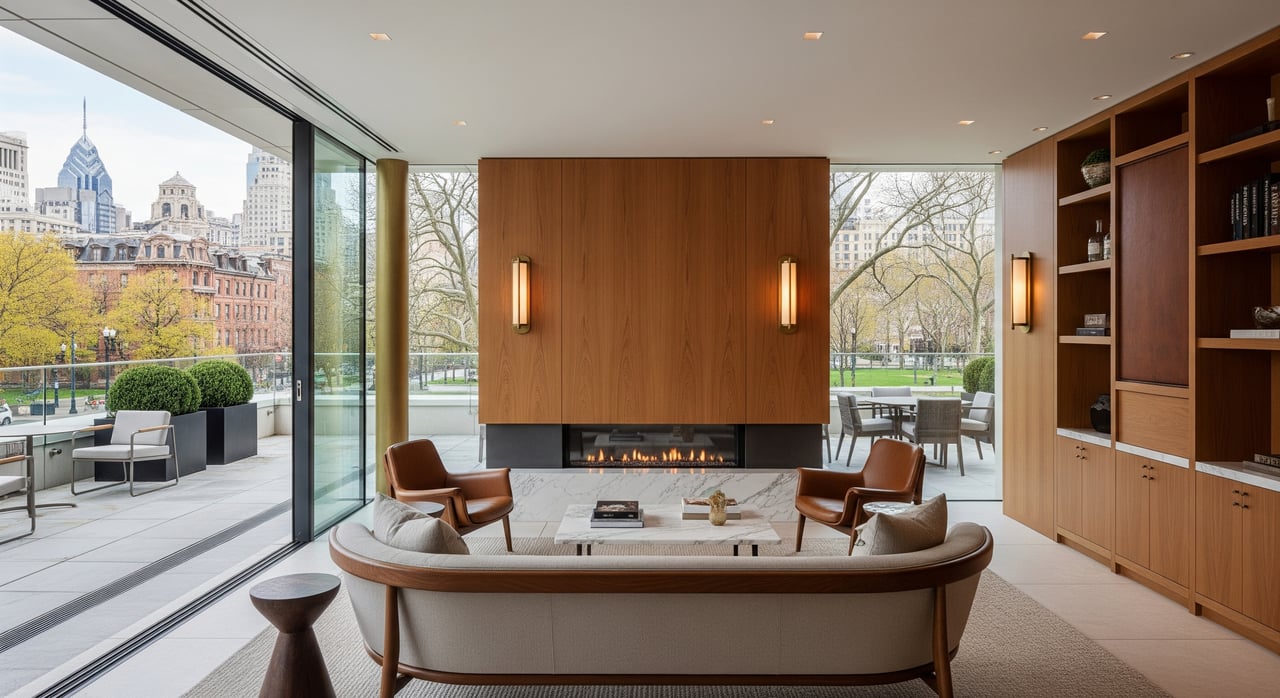
If you are shopping for a condo around Rittenhouse Square, the amenity list can feel dazzling and confusing at the same time. You want convenience and comfort without paying for features you will not use. The right mix can elevate your daily life and support long-term value, while the wrong mix can inflate monthly fees.
This guide breaks down the most common luxury amenities you will see in Rittenhouse, how they affect your monthly costs, and what matters for resale. You will also get a checklist to help you compare buildings with confidence. Let’s dive in.
What “full service” really means
Full-service buildings in Rittenhouse usually include a doorman or concierge and often have 24-hour staffing. Team members control access, accept packages, coordinate vendors, and assist guests. If you value security, privacy, and seamless deliveries, this is a major lifestyle benefit.
Staffing is also a top driver of operating costs. Salaries, benefits, and payroll taxes add up, and 24/7 coverage costs much more than limited daytime coverage. Expect full-service convenience to show up in your monthly fee.
Parking: valet, deeded, or assigned
In a dense, walkable area like Rittenhouse Square, onsite parking is a premium. Some buildings offer valet in a staffed garage. Others provide deeded or assigned spaces. Each setup affects cost, convenience, and even resale.
Valet service adds staffing and insurance to the operating budget. Deeded or assigned spaces may be included in pricing or billed separately. Ask whether spaces transfer with the unit, if there is a waitlist, and what the garage’s long-term maintenance plan looks like.
Wellness: gyms, spas, and pools
Many luxury buildings feature fitness centers, yoga rooms, and sometimes treatment rooms or pools. These in-building wellness options save time and can enhance daily routine. They also tend to be social spaces that build community.
Wellness amenities carry recurring costs. Fitness centers need equipment replacement and specialized cleaning. Pools require HVAC or filtration, regular cleaning, and sometimes lifeguards or attendants. These items affect both monthly fees and insurance.
Outdoor living and rooftops
Roof decks, landscaped terraces, grilling stations, and pet relief areas are popular in Rittenhouse. They create private-feeling outdoor space without leaving the building, which is especially valued in the city.
These features need ongoing care. Waterproofing, seasonal landscaping, furniture replacement, and cleaning can be significant. If you love to entertain outdoors, the benefits can outweigh the added cost. If not, consider whether you will use these spaces often enough to justify them.
Entertaining spaces you can book
Some buildings include private dining rooms, catering kitchens, or resident lounges that you can reserve for events. They make hosting larger gatherings easier and keep your own home tidy.
Cleaning, supplies, and reservation systems are typical cost drivers. If hosting is part of your lifestyle, these rooms can be a high-use perk. If not, you may prefer a building with simpler common areas and lower overhead.
Guest suites for visiting friends and family
Service suites or guest suites are short-stay rooms in the building for your visitors. They are convenient for out-of-town guests and can be a rare differentiator in the city.
Buildings that monetize guest suites sometimes offset a portion of operating costs with nightly fees. Ask about the reservation process, rates, and how often these rooms are available.
Pet amenities and policies
Dog runs, wash stations, and clear pet policies are common in Rittenhouse luxury condos. These features appeal to pet owners and can support resale to a defined buyer pool.
Pet amenities increase cleaning and maintenance needs, which influences budgets. Always review pet rules in writing, including number limits, breed or size restrictions, and any fees. Check recent board minutes for any proposed rule changes.
Storage, bikes, and EV charging
Practical extras like storage lockers, bike rooms, and EV chargers are small features that can make daily life easier. They also matter to resale-minded buyers who value utility.
EV charging requires installation, metering, and maintenance. Storage and bike rooms need security and good management. Even if you do not need them today, these amenities can broaden future buyer appeal.
Technology and security
Key-fob access, CCTV, package rooms, and smart lockers handle the realities of modern city living. These systems improve security and manage deliveries efficiently.
They also come with installation and software costs, plus ongoing maintenance contracts. Ask about vendor agreements and service schedules so you understand long-term obligations.
How amenities shape your monthly fee
Monthly common charges reflect a mix of operating and capital needs. Operating costs include staffing, utilities for common areas, cleaning, landscaping, pool upkeep, elevator and HVAC service contracts, and insurance. Capital costs cover big-ticket items like roofs, elevator modernizations, garage repairs, and major HVAC replacements.
Healthy reserve funds matter. A current reserve study helps boards plan future projects and fund replacements. If reserves are thin or maintenance is deferred, owners face a higher risk of special assessments. That can add cash outlays beyond your monthly fee.
Staffing intensity is the single biggest recurring cost driver in full-service buildings. Pools, landscaped rooftops, and high-use event spaces add maintenance and insurance. Fitness centers carry equipment replacement cycles. Parking can be a cost or a partial revenue offset if the building charges for spaces or rentals.
Hidden items to verify include utilities covered by the fee, insurance deductibles and coverage levels, any history of special assessments, pending capital projects, and litigation. These details influence your true cost of ownership.
Resale impact in Rittenhouse
In-demand amenities can support higher per-square-foot pricing because they deliver daily benefits many buyers value. Full-service buildings attract shoppers who want convenience and status, which can help marketability in a neighborhood known for luxury condo living.
However, higher monthly assessments reduce the buyer pool for future resale. Some buyers, especially investors or fee-sensitive shoppers, may avoid properties with heavy carrying costs. Liquidity tends to be strongest in buildings with strong management, healthy reserves, well-kept amenities, and a reputation for stable fees.
Unique amenities can set a building apart. A rooftop pool, a private dining room with a chef’s kitchen, or a dedicated pet amenity can be a compelling story, especially for relocation buyers who compare Rittenhouse to other urban markets.
Match amenities to your lifestyle
Think about how you live now and what you will value over the next 3 to 7 years. Empty-nesters and downsizers often prioritize security, doorman service, and hosting spaces. Young professionals may value fitness, tech-forward access, proximity to dining, and EV readiness. Investors tend to prefer lower fees and flexible rental rules.
A simple cost-per-use check can help. Estimate how much of your monthly fee might be tied to a specific amenity, then compare that to how often you will use it. If you will swim daily, a pool may be worth it. If you will host one event per year, a formal dining room may not be a must-have.
Documents to review before you shortlist
Collect these items early so you can compare buildings on facts and not just finishes:
- Current HOA budget and recent income and expense statements
- Most recent reserve study and the current reserve fund balance
- Minutes of the last 12 to 24 months of board meetings
- Master deed, bylaws, house rules, pet policy, and rental policy
- Insurance summary, including master policy coverage and unit owner responsibilities
- Any recent engineering reports, elevator certifications, or capital project plans
Smart questions to ask management or the listing agent
Use these questions to clarify costs and day-to-day operations:
- What utilities are included in the fee? Heat, hot water, air conditioning, cable, internet, and parking all matter.
- What are the staffing levels and hours for doorman, concierge, and valet?
- Are parking spaces deeded, assigned, or rentable? Is there a waitlist?
- Are guest suites or event spaces revenue-generating for the building?
- Are any capital projects, fee increases, or special assessments planned?
- How often have special assessments occurred in the past?
- What is the owner-occupancy ratio? It can affect financing and resale.
- What are the pet rules, restrictions, and fees?
- Are there rental restrictions that could impact future resale or investment value?
- Who manages the building and is there an on-site manager?
Legal and governance basics in Pennsylvania
Condominiums in Pennsylvania are governed by state law and each building’s declaration, bylaws, and rules. These documents define common elements, services, fees, and owner responsibilities. Review them alongside financials to understand how the building operates and how decisions are made.
If you need clarity on a clause or budget line, ask for explanations in writing. The goal is to confirm what is promised, what is included, and what might change.
Build your Rittenhouse short list
Prioritize amenities you will use often. Consider how staffing and high-maintenance features influence your monthly fee. Verify what the fee covers and whether reserves are strong. Then weigh lifestyle benefits against total carrying costs and your likely resale audience.
If you want help tailoring options to your daily routine and long-term goals, connect with a local team that understands Rittenhouse buildings at a granular level and can surface documents early. For a private consultation and a curated shortlist, reach out to Societe Select. Book an appointment.
FAQs
What are the most expensive condo amenities in Rittenhouse Square?
- Staffing for 24/7 doorman, concierge, and valet is usually the largest recurring cost, followed by pools, landscaped rooftops, and intensive maintenance items.
How do Rittenhouse condo amenities affect monthly fees?
- Amenities add operating costs like staffing, utilities, cleaning, service contracts, and insurance, and they drive capital needs that require strong reserves to avoid special assessments.
What documents should I request when comparing Rittenhouse buildings?
- Ask for the current budget, recent financials, the latest reserve study, board meeting minutes, governing documents, insurance summary, and any engineering or capital project reports.
Are guest suites and event rooms worth it in Rittenhouse Square condos?
- They are valuable if you host often or have frequent visitors; some buildings offset costs with booking fees, but they still add cleaning and management overhead.
Do parking options in Rittenhouse condos impact resale?
- Yes. Deeded or assigned parking and well-run valet programs are a premium in a walkable area, and they can strengthen buyer appeal and convenience.
What should pet owners look for in Rittenhouse condos?
- Review written pet policies, any size or breed limits, fees, and the presence of dog runs or wash stations; also check board minutes for potential rule changes.