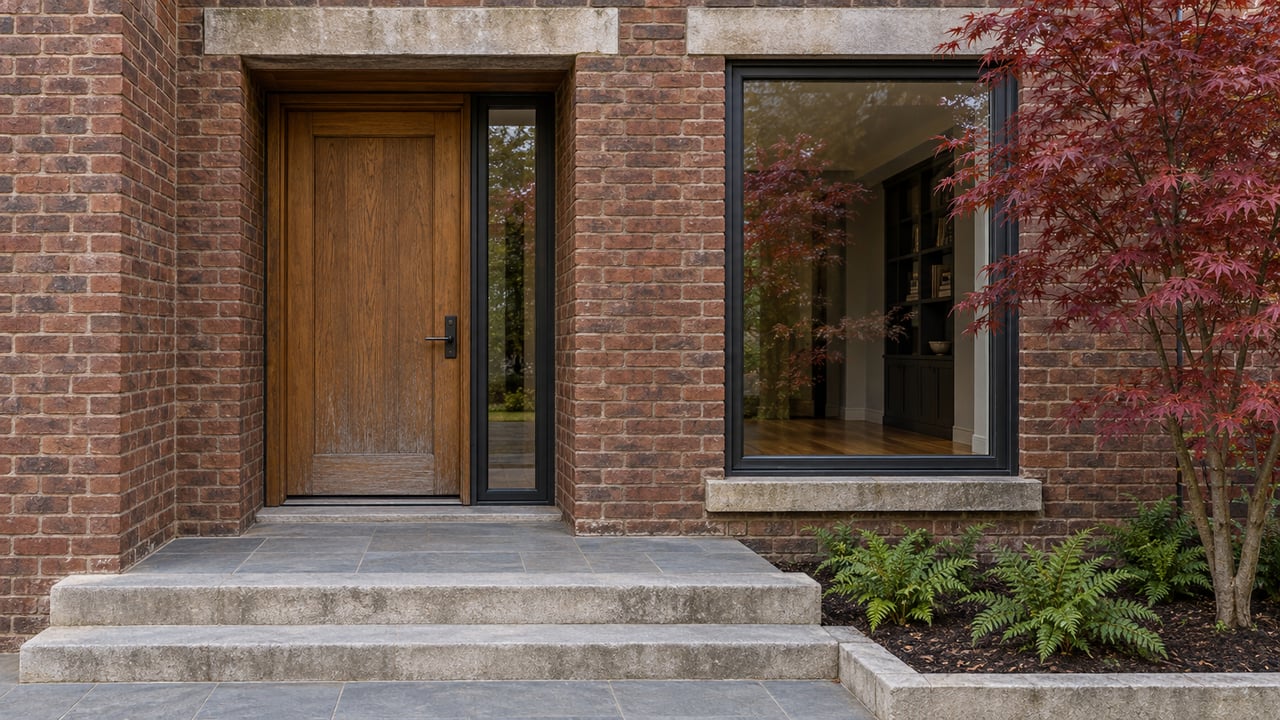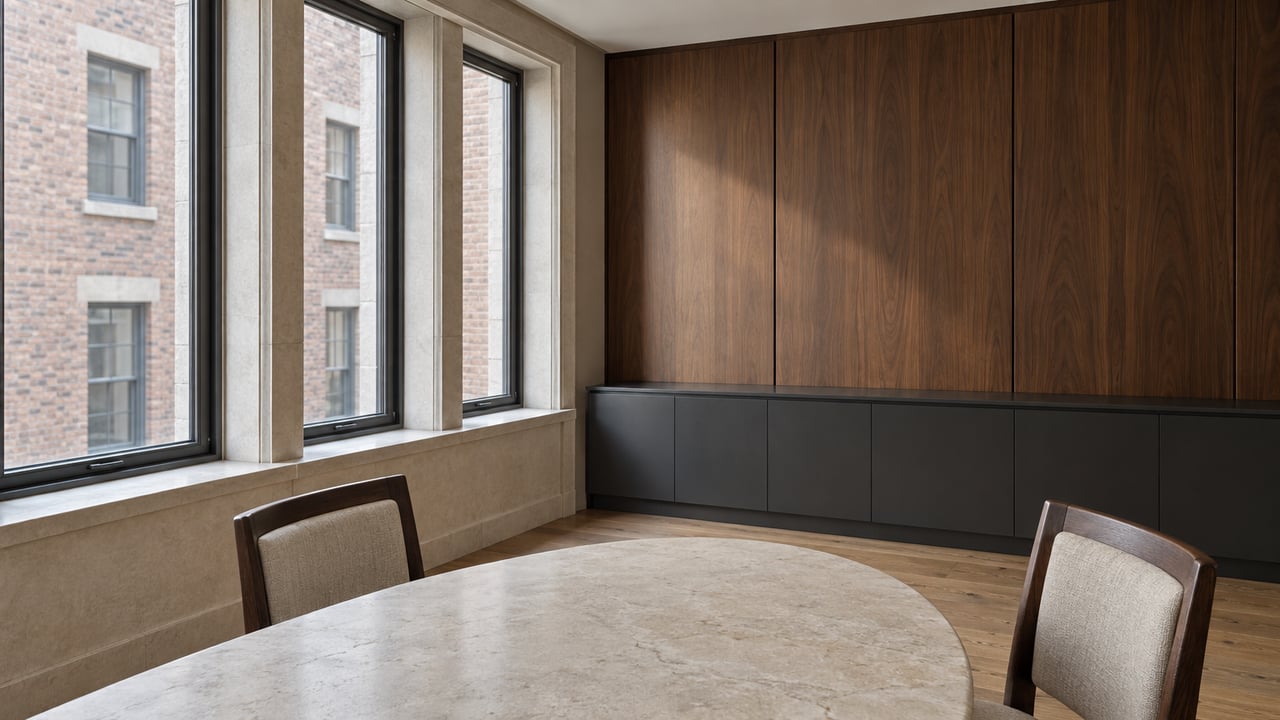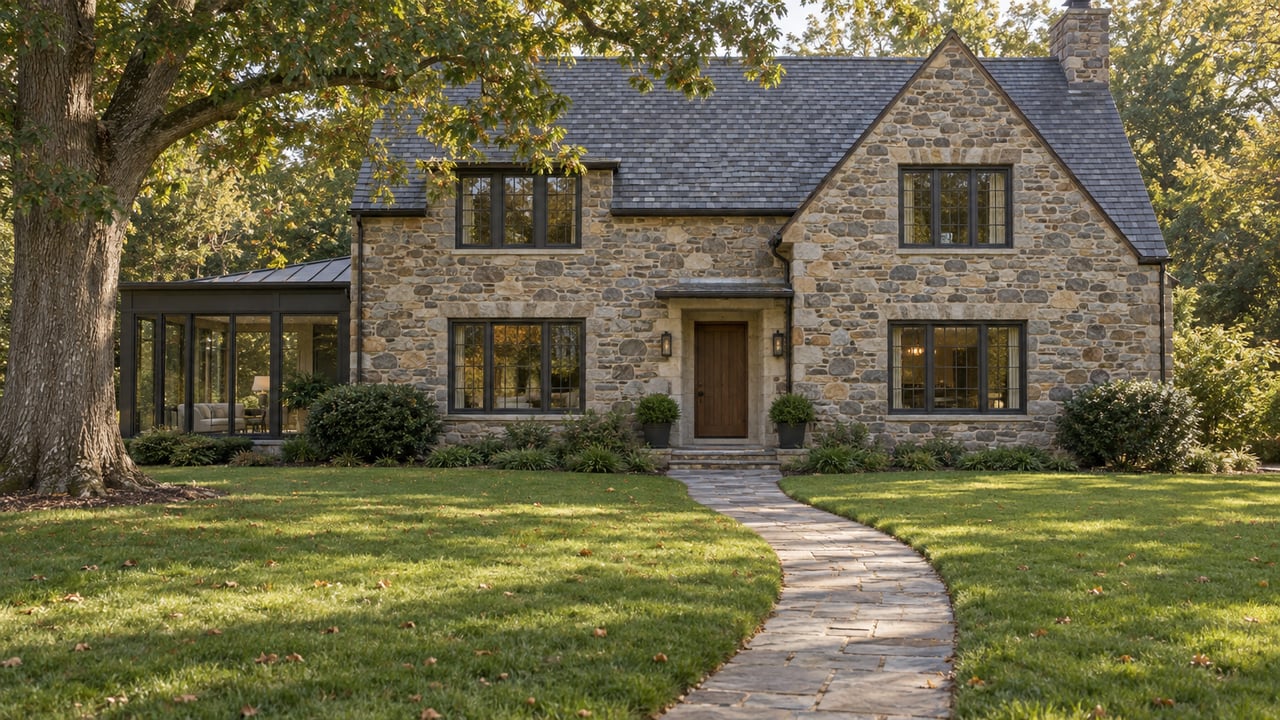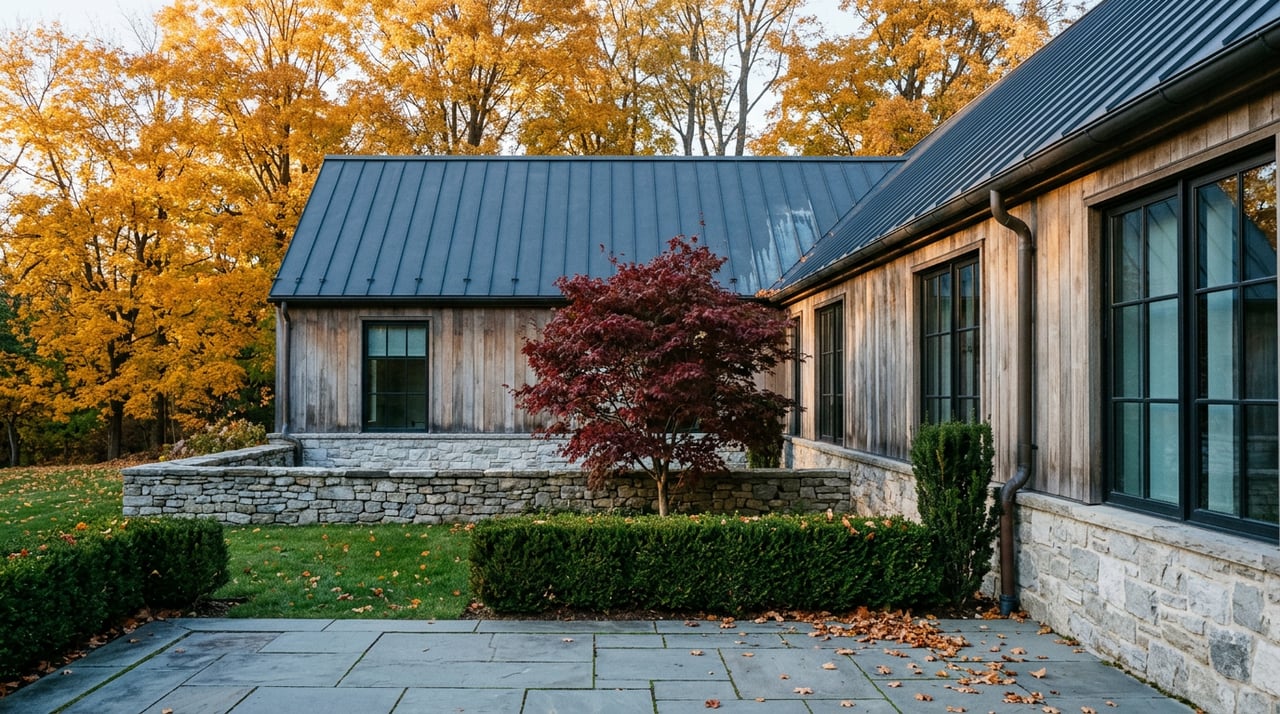
If you have ever looked at a large Bryn Mawr home and wondered why some properties feel truly exceptional while others just feel oversized, you are asking the right question. In a compact, established Main Line setting, estate value is rarely about bedroom count alone. It is about how the land, the house, the privacy, and the long-term potential work together. Let’s take a closer look at what makes a Bryn Mawr home a true estate property.
Bryn Mawr Is a Scarcity Market
Bryn Mawr is not a market where abundance defines value. The U.S. Census Bureau lists the Bryn Mawr CDP at just 0.96 square miles of land area with 5,879 residents as of the 2020 census.
That small footprint matters because Bryn Mawr is largely built out. Lower Merion planning materials note that township planning efforts have preserved the area’s estate-like character, which means the feeling buyers respond to today has been shaped over time by land constraints, setbacks, mature trees, and preservation-minded planning.
In practical terms, that scarcity raises the bar. A true estate property in Bryn Mawr needs to offer something that feels increasingly hard to find: a site and setting that stand apart in a market where available land is limited.
Estate Status Starts With the Land
In Bryn Mawr, estate-caliber is best understood as a site-driven value. A house can be large, expensive, and well finished, yet still fall short of true estate status if the site feels exposed, awkward, or out of step with the surrounding market.
Appraisal guidance supports that view. Site size, shape, topography, access, utilities, zoning, and adjoining uses all affect marketability, and market resistance can appear when a property does not fit its setting well.
That is why land quality matters as much as square footage. The strongest estate properties feel intentional from the moment you arrive.
Site Fit and Orientation
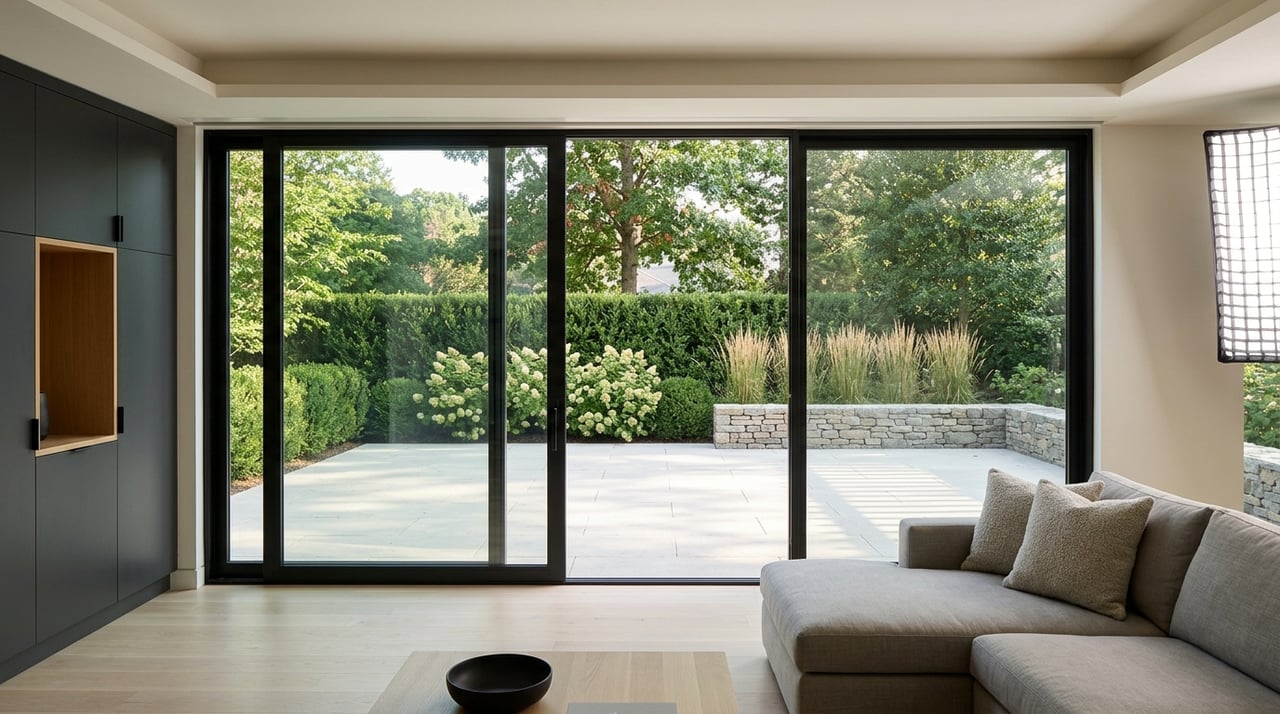
A true estate property is usually well sited on the parcel. The home placement supports a clear arrival experience, takes advantage of daylight, preserves views where possible, and creates a comfortable relationship between indoor and outdoor living.
Orientation matters more than many buyers expect. A home that captures privacy, usable lawn, and strong natural light often feels more estate-like than a larger home placed too close to the road or awkwardly on the lot.
Setback and Privacy Buffer
Privacy is one of the clearest estate signals in Bryn Mawr. Lower Merion’s open-space materials note that large setbacks, mature trees, and generous grounds help reinforce the township’s low-density, green character.
That means privacy is not just about fencing or gates. It often comes from the composition of the site itself, including distance from the street, tree cover, layered landscaping, and the way the home relates to neighboring properties.
Shape and Usability
Not all large parcels function the same way. The most compelling estate properties have land that is not only substantial, but also usable.
A parcel with awkward topography, fragmented outdoor areas, or compromised access may read as large on paper but weaker in practice. Estate buyers tend to respond to grounds that feel coherent and easy to enjoy.
Grounds Should Feel Like a Landscape
One of the biggest differences between a large house and a true estate is the role of the outdoor environment. Estate grounds are not leftover land around a residence. They function more like a designed landscape.
That can include lawns, terraces, gardens, mature tree cover, and amenities that support the way you live on the property. Appraisal guidance treats landscaping as part of the condition and value discussion, and in-ground pools are recognized as meaningful site features.
Luxury market reporting points in the same direction. Affluent buyers continue to favor properties that combine privacy, outdoor living, wellness features, and turnkey quality.
Park-Like Grounds Matter
In Bryn Mawr, park-like grounds often carry as much emotional weight as the house itself. When the outdoor setting feels composed and calm, the property is more likely to read as estate-caliber.
This does not require excess for the sake of excess. What matters is whether the grounds feel purposeful, balanced, and supportive of the home’s architecture.
Outdoor Living Should Be Usable
Estate buyers are often looking for more than visual beauty. They want usable outdoor space that supports entertaining, quiet retreat, and everyday enjoyment.
That may show up in the form of broad lawns, sheltered terraces, or a pool area that feels private rather than squeezed into the site. The key is not the feature list alone, but how naturally those features fit the land.
Architectural Pedigree Counts
In a place with Bryn Mawr’s history, architecture carries real weight. The area has a deep design tradition, from Harriton House, described by its historic association as the original Bryn Mawr property, to the Bryn Mawr College Historic District, recognized for significance in landscape architecture, education, and architecture.
That local backdrop shapes expectations. A true estate property usually presents a house with architectural pedigree, meaning it feels intentional, durable, and legible in style rather than simply large.
The Appraisal Institute notes that design and style are essential parts of residential appraisal. Construction elements can contribute to value or detract from it, especially in a market where buyers notice proportion, materials, and coherence.
Scale Should Match the Site
An estate home should feel properly matched to its parcel. If the home overwhelms the land or leaves little room for a meaningful landscape setting, it may lose the sense of balance that estate buyers expect.
When scale is right, the home and grounds support one another. The architecture feels settled into the property rather than forced onto it.
Style Should Feel Intentional
Estate buyers often respond to homes that have a clear design language. That could mean a historically legible residence, a thoughtfully renovated classic home, or a newer property with durable materials and disciplined architectural choices.
What matters is consistency. The strongest properties avoid the feeling of random additions or oversized features that do not serve the home’s overall character.
Future Potential Also Matters
A true estate property is not defined only by what exists today. In many cases, part of the value comes from what the site can reasonably support in the future.
Fannie Mae guidance frames this through highest and best use, which asks whether a property’s use is legally permitted, physically possible, and financially feasible. In Bryn Mawr, that analysis is especially important because future changes may be shaped by parcel size, zoning, and local preservation considerations.
Renovation-Ready vs. Overbuilt
Some properties have strong renovation-ready potential because the site is excellent even if the existing improvements need updating. Others may already be close to their practical limit if the home is overbuilt for the parcel or the lot offers little flexibility.
That distinction can strongly influence estate value. Buyers and sellers benefit from understanding whether the parcel supports expansion, redesign, or a more strategic long-term plan.
Open-Space Protection Can Shape Value
In Lower Merion, residentially zoned parcels five acres and larger are subject to the Open Space Preservation District Ordinance. If developed, at least half of the parcel must remain open space.
For larger estate tracts, that is an important local factor. It can preserve the green character that makes the property special, but it can also shape what future development or reconfiguration may realistically look like.
Historic Recognition Is Not the Same as Local Review
Historic context can add significance, but it is important to distinguish between recognition and regulation. National Register listing is federal recognition and does not by itself restrict what a private owner may do unless federal assistance or permitting is involved.
At the same time, Lower Merion has a historic commission and a Historical Architectural Review Board, and local historic districts can involve additional review. For estate buyers and sellers, that means due diligence should focus on the specific local framework that applies to the property.
How Buyers Read Estate Value
Affluent buyers often view estate properties as lifestyle assets as much as real estate assets. They tend to value privacy, outdoor experience, architectural coherence, and turnkey quality before they focus on sheer interior size.
That perspective explains why two large homes in the same general area can feel very different in the market. One may offer a strong sense of arrival, a privacy buffer, and a well-composed site, while the other may feel compromised despite having more square footage.
In Bryn Mawr, the winning narrative is often simple: the property feels rare because the land and the house belong together.
What Sellers Should Know
If you own a Bryn Mawr property and believe it may qualify as estate-caliber, the value story should go beyond room count and finishes. The most persuasive positioning highlights the relationship among parcel quality, privacy, architecture, grounds, and future use potential.
That is especially important in a built-out market where rarity drives attention. Buyers need to understand not just what your home includes, but why its setting is hard to replicate.
For high-end properties, presentation also matters. Estate homes benefit from thoughtful storytelling, strong visual framing, and a market strategy that explains the site as clearly as it showcases the residence.
If you are considering buying or selling an estate property in Bryn Mawr, Societe Plus Serhant can help you evaluate the land, the narrative, and the market positioning with the level of strategy these rare homes deserve.
FAQs
What defines a true estate property in Bryn Mawr?
- A true Bryn Mawr estate property is usually defined by the relationship among land, privacy, architecture, grounds, and future use potential rather than by house size alone.
Why does land matter so much for Bryn Mawr estate homes?
- Land matters because Bryn Mawr is a compact, largely built-out market where scarcity, site fit, setbacks, mature trees, and usable outdoor space strongly influence how a property is perceived and valued.
Do larger homes automatically count as estate properties in Bryn Mawr?
- No. A large home may not read as estate-caliber if the site feels exposed, overbuilt, fragmented, or out of sync with the surrounding market.
How do privacy and setbacks affect Bryn Mawr estate value?
- Privacy and setbacks help create the estate-like character buyers look for, especially when they are supported by mature landscaping, thoughtful siting, and a strong sense of arrival.
What should buyers evaluate in a Bryn Mawr estate property?
- Buyers should look closely at parcel shape, topography, orientation, privacy, grounds, architectural coherence, and whether the property’s future potential aligns with local rules and the site itself.
How can local open-space rules affect larger Bryn Mawr parcels?
- In Lower Merion, residential parcels five acres and larger are subject to open-space rules that require at least half the parcel to remain open space if developed, which can affect future plans.
Does National Register recognition restrict changes to a Bryn Mawr property?
- Not by itself. National Register listing is federal recognition, while local review depends on whether the property is subject to local historic oversight or district rules.